From SaaS Features to Outcomes: What Article Audio Changes
AI software is moving from providing tools to completing work. Article audio shows what this shift means for publishers and their vendors.
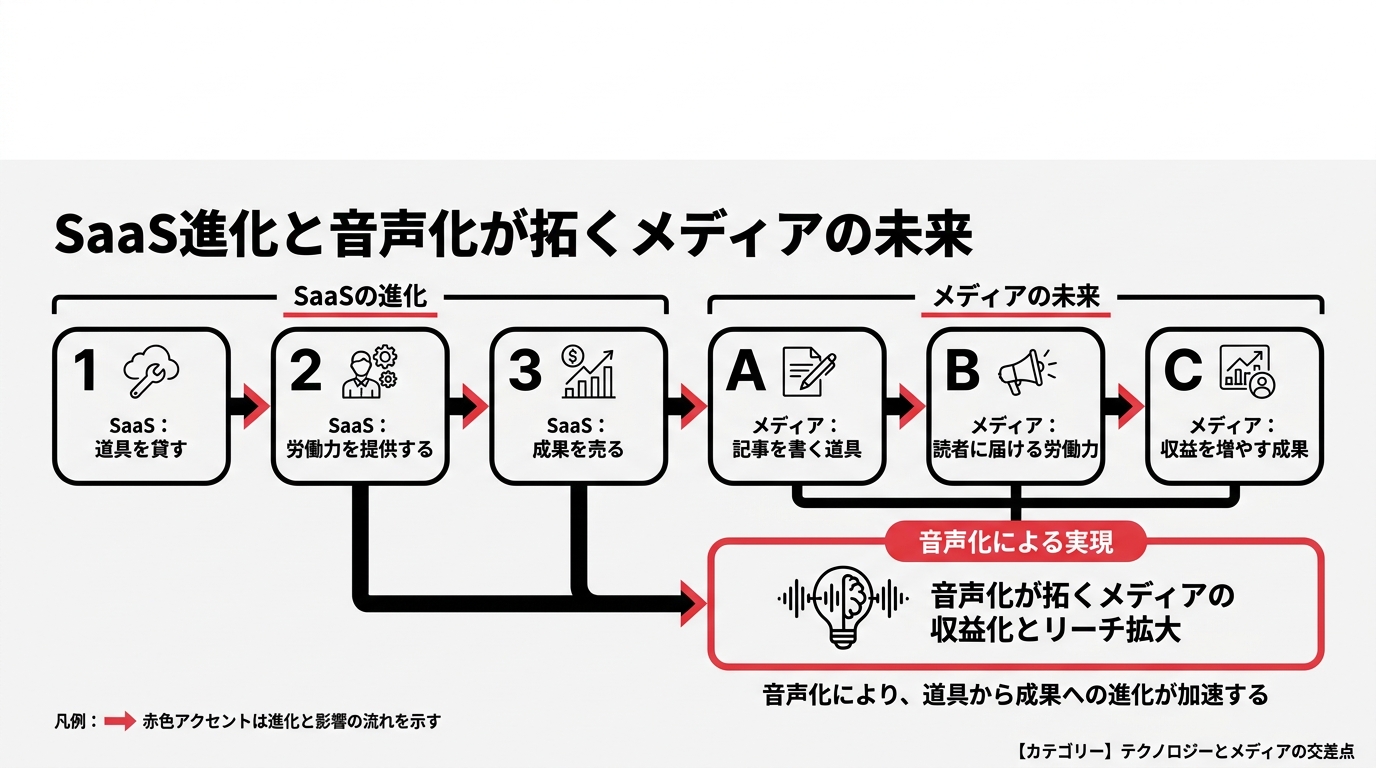
AI software is beginning to complete work rather than merely provide the interface for doing it. In article audio, that means handling ingestion, script preparation, speech generation, and delivery—not handing an editor another synthesis screen.
I build an AI audio SaaS as a solo founder. AI helped me release an MVP in 2.5 months, but it did not make the product useful by itself. Several working features went largely unused. Those failures changed my measure of value from “what can the software do?” to “what work no longer sits on the customer’s desk?”
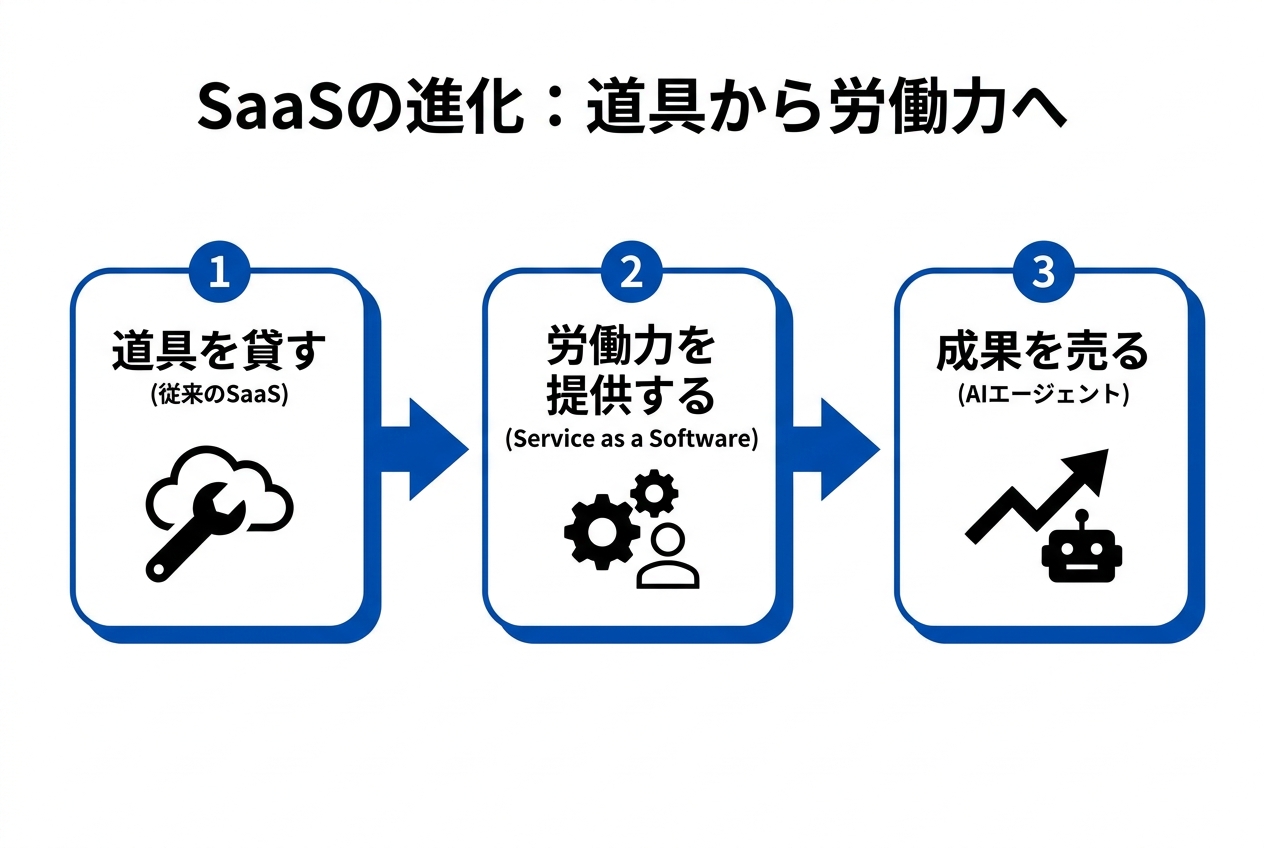
Software is moving from tools toward completed work
Traditional SaaS rents access to software. A CMS supplies a publishing interface; an email platform supplies campaign controls. The customer still operates the tool and owns the process.
Sequoia Capital’s service-as-software thesis describes AI businesses that perform the task and charge for the result. The distinction is between a support dashboard and a resolved support case, or between a voice generator and an audio article ready for distribution.
Outcome-based models do not fit every editorial job. Brand building and editorial judgment resist a single short-term metric. Automating them around clicks or volume can degrade the publication. A publisher still needs to decide which work may be delegated and which decisions remain editorial.
The outcome of article audio is not an audio file
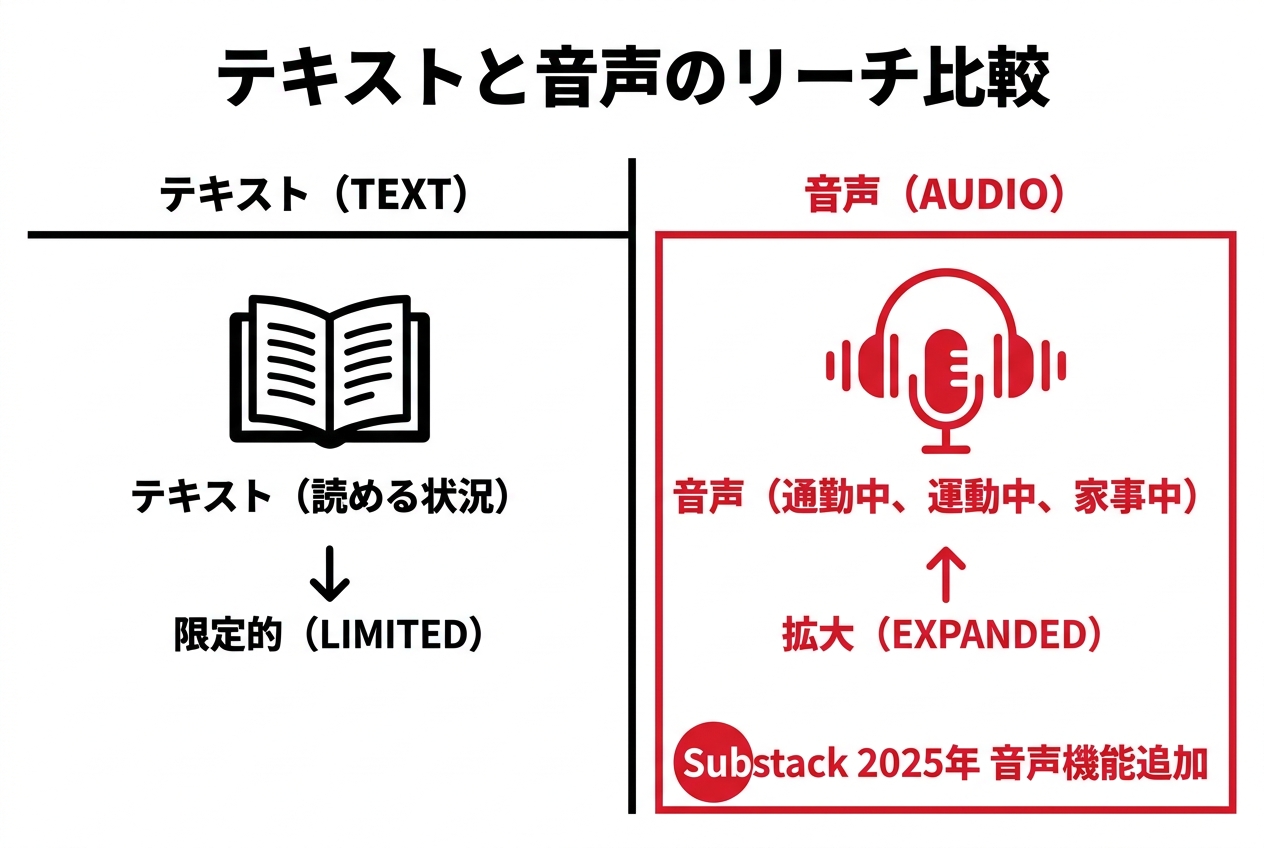
The useful outcome is reaching people when they cannot read without adding repetitive work to the newsroom. Commuting, exercising, or cooking may leave a person’s eyes occupied while their ears remain available.
I previously managed advertising revenue and analytics for a large Japanese publishing site. Vendors were judged by revenue movement and operating time, not by the sophistication of their dashboards. Audio should face the same test.
Before adoption, define metrics such as starts, completion, return listening, and editorial minutes spent per article. Revenue or engagement claims without a comparable control group are weak buying evidence. We document measurement conditions in our separate audio impact measurement guide.
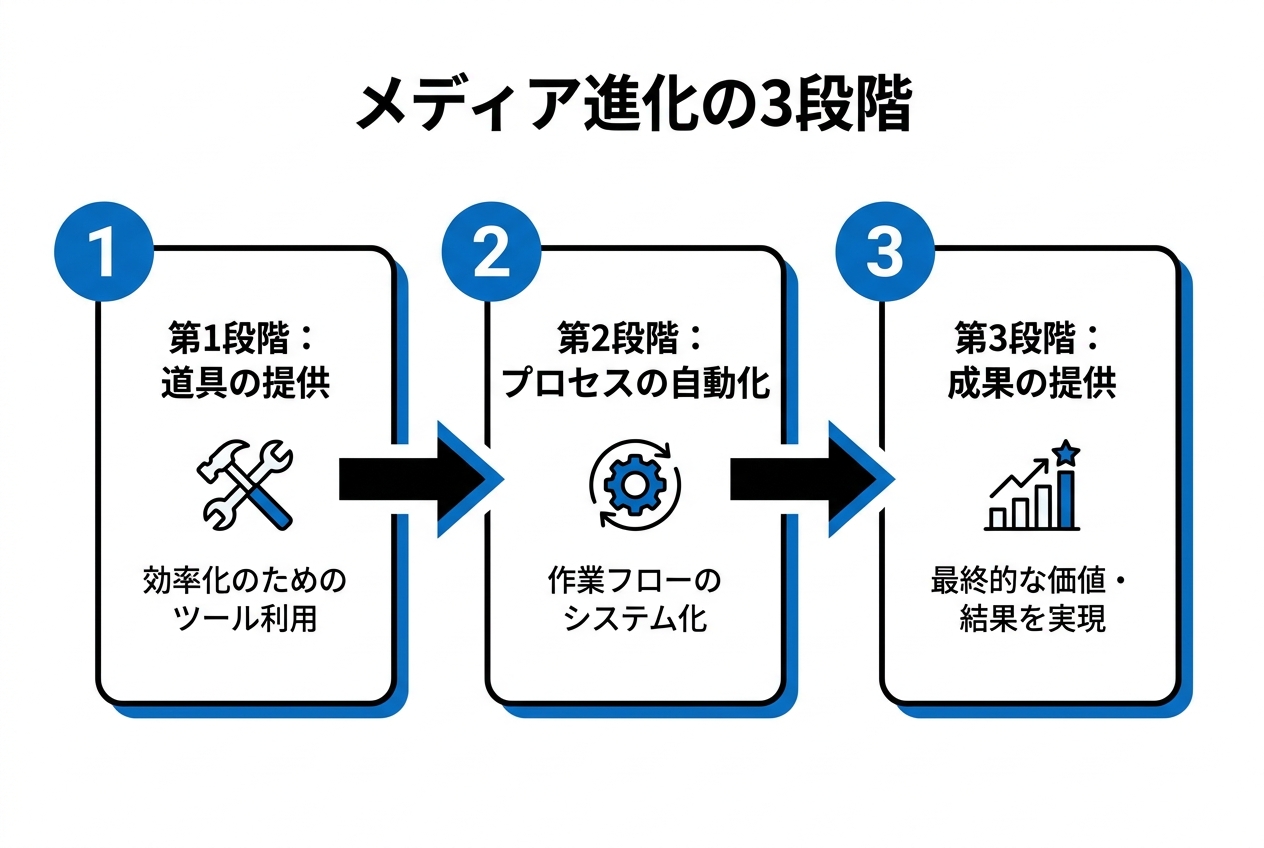
Media software can progress through three layers
The layers are tool, task, and outcome. A CMS offers publishing tools. Automation converts and distributes the article. An outcome-oriented service then helps improve reach or repeat use.
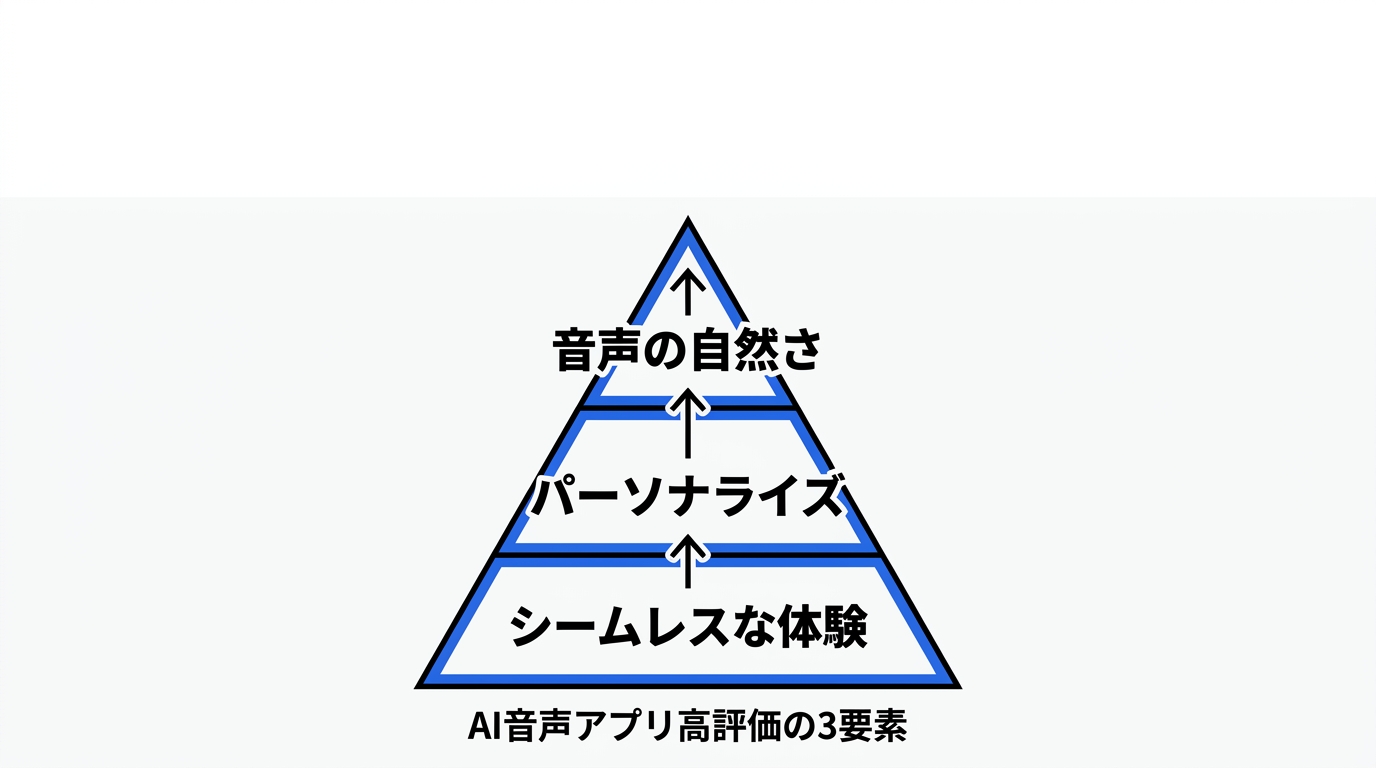
While building our voice-chat app, users cared less about the model name than whether the conversation stayed entertaining. We spent more effort on flow and reasons to return than on speech synthesis. Technical capability and user value were separated by product design.
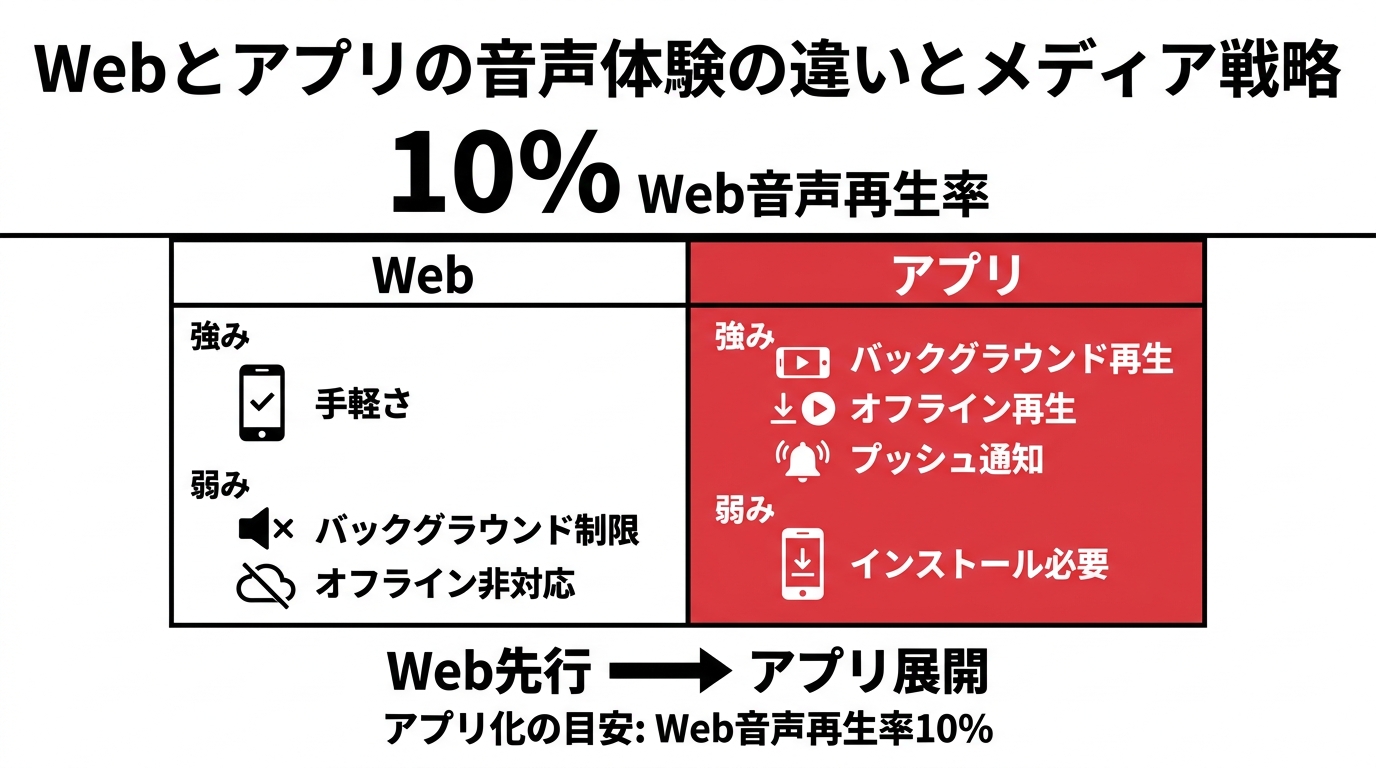
Article audio has the same gap. Without player placement, update handling, and analytics, automated synthesis produces a growing folder of audio files. The choice between web and app audio also depends on the intended audience behavior.
Define one outcome before adopting audio
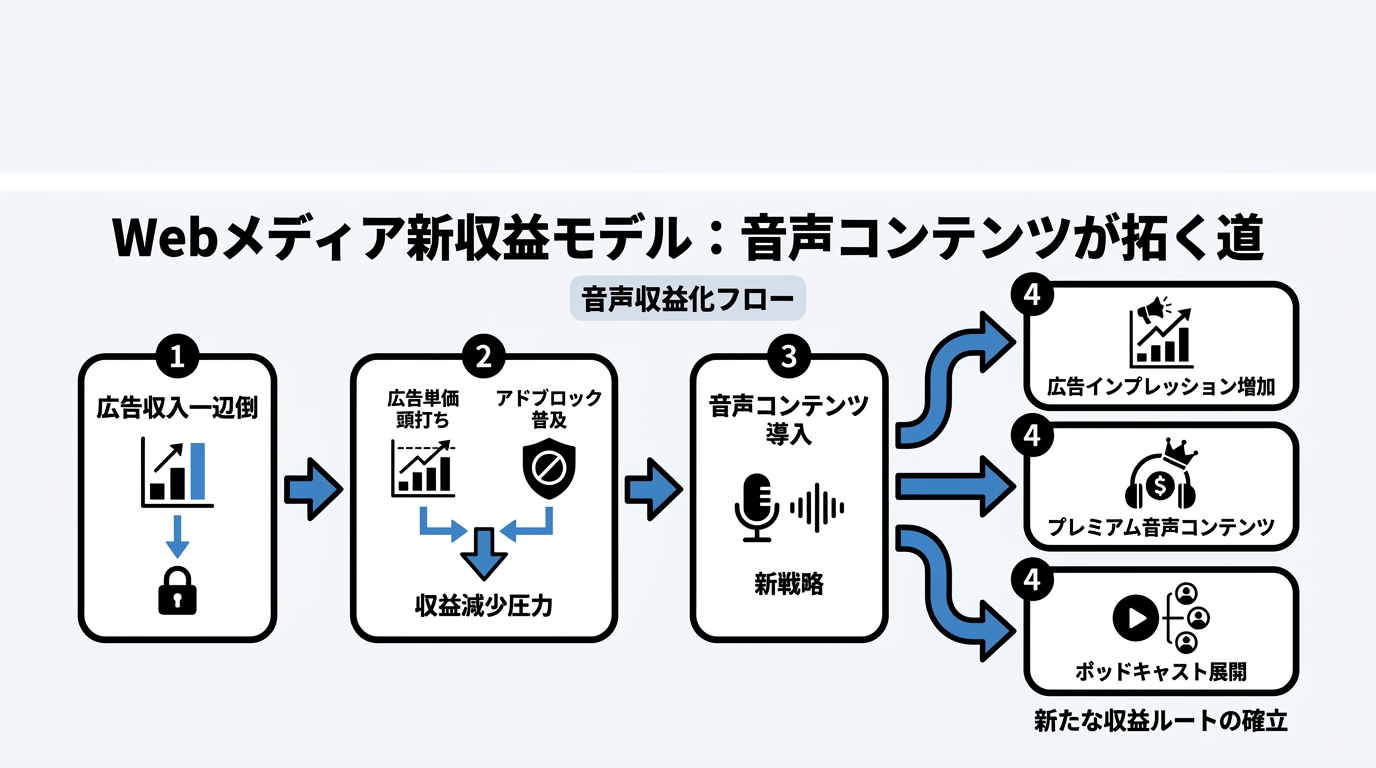
Audio does not remove advertising dependence on its own. If listeners do not press play, the publication retains only the cost. Audio advertising, subscriptions, and sponsorship all require sufficient listening volume and a way to sell them. A growing TTS market does not guarantee success for an individual publisher.
Choose one initial outcome: reduce production time, extend the use of evergreen stories, or improve access for readers who benefit from synchronized text and speech. MediaLeap Inc.’s PUBVOICE is one option for that work in Japanese media; a publisher with an engineering team may prefer to build on an API.
The central question remains unchanged as SaaS evolves. Publishers should ask not how many features they have acquired, but how much of the work of reaching an audience is now complete. Without that distinction, AI simply adds another dashboard.
By Yutaro Sasao, CEO of MediaLeap Inc.
PUBVOICE - Deliver your articles as audio
We built PUBVOICE so media operators can add a listening experience without extra workload. Register an RSS feed and every new article gets audio automatically.
Every time we hear editors worry that readers never finish their articles, we keep coming back to the same answer: audio reaches the moments text cannot - commutes, chores, workouts. PUBVOICE was born from that conviction.

Yutaro Sasao
We take each person's "I want to" and "I want to be able to" seriously, and use technology to make it happen. That is our mission.
Opening up new possibilities with digital technology. Drawing on roughly ten years in the advertising and media industries, Yutaro builds app development for web media companies with AI-driven efficiency.
Talk to us about your next project
Contact us about app development or other digital initiatives. We will review your requirements and recommend an approach suited to your business.
Related posts
Contact
Contact us to discuss app development for your media business. We will recommend an approach based on your requirements and commercial goals.
Contact Form
Send us your inquiry using the form below. We aim to respond within 24 hours.
Contact by Email
info@media-leap.com
We aim to respond within 24 hours
Business Hours
Weekdays: 9:00–18:00 JST
Weekends and public holidays: Closed