Web vs. App Audio: Which Should Publishers Build First?
Web audio removes friction; native apps make repeat listening easier. Lessons from building both point to a practical sequence for publishers.
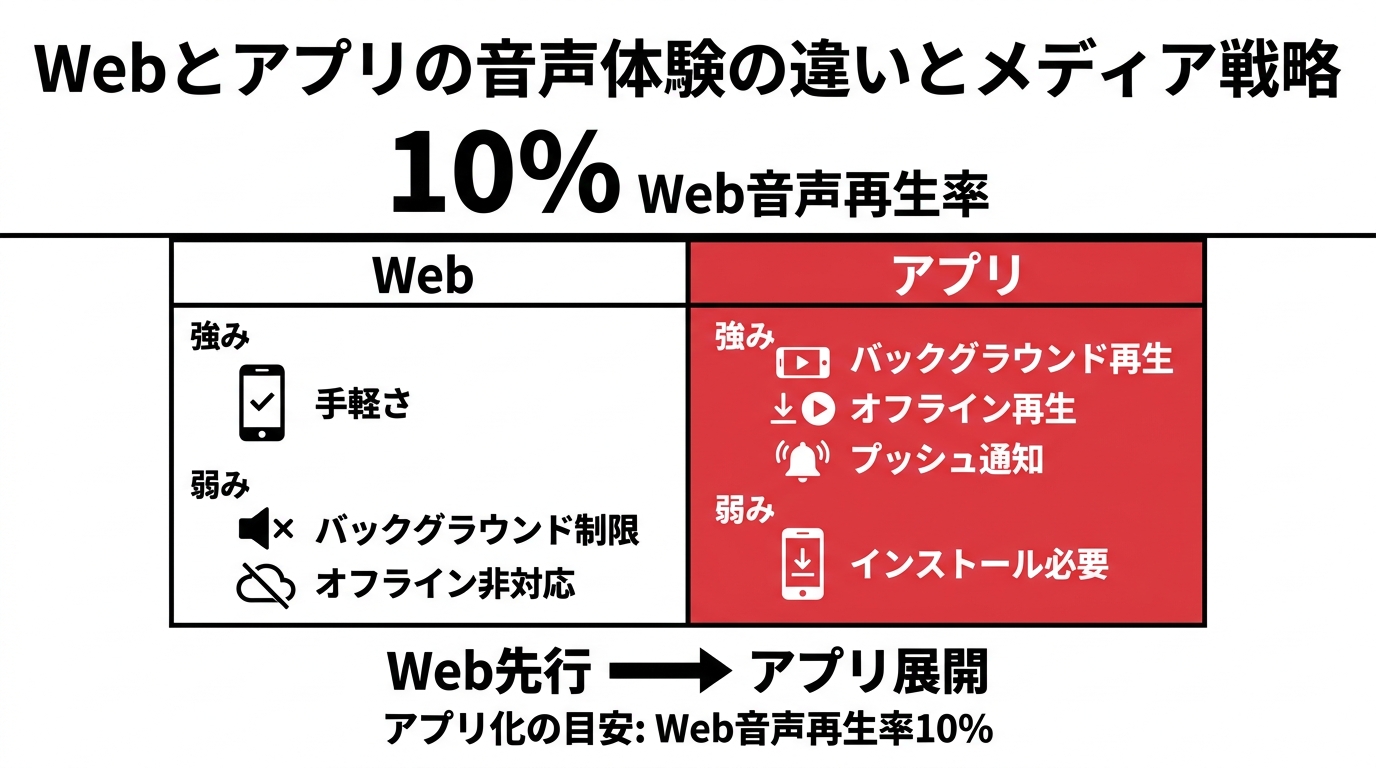
Web and native app audio solve different problems. A web player shortens the path to a first listen. An app gives a publisher more control over repeat listening. For most publishers, testing demand on the web before funding an app is the safer sequence.
I have built both: a web audio SaaS and a voice-chat app that passed 5,000 downloads. The hard part of the app was not adding playback features. It was earning the install and giving people a reason to return.
Web audio makes the first listen easier
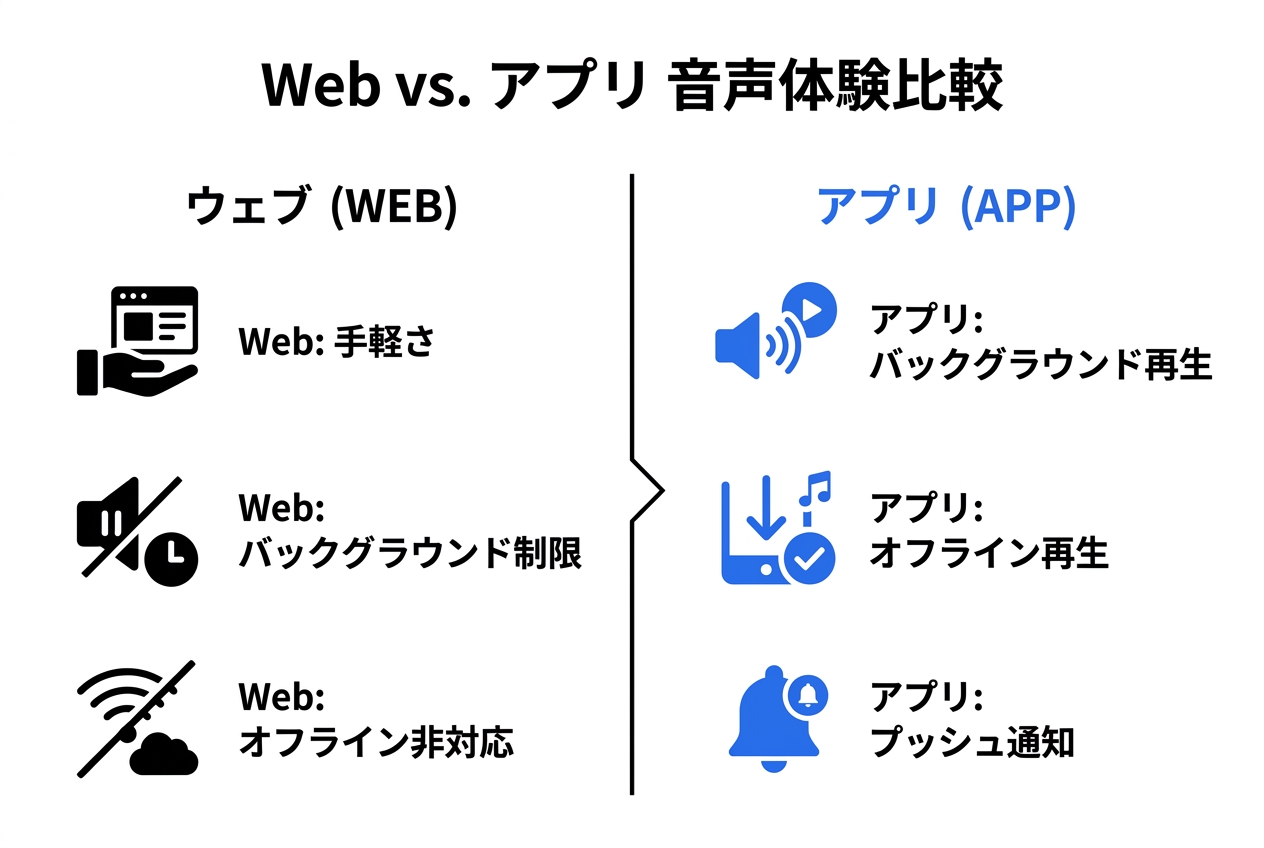
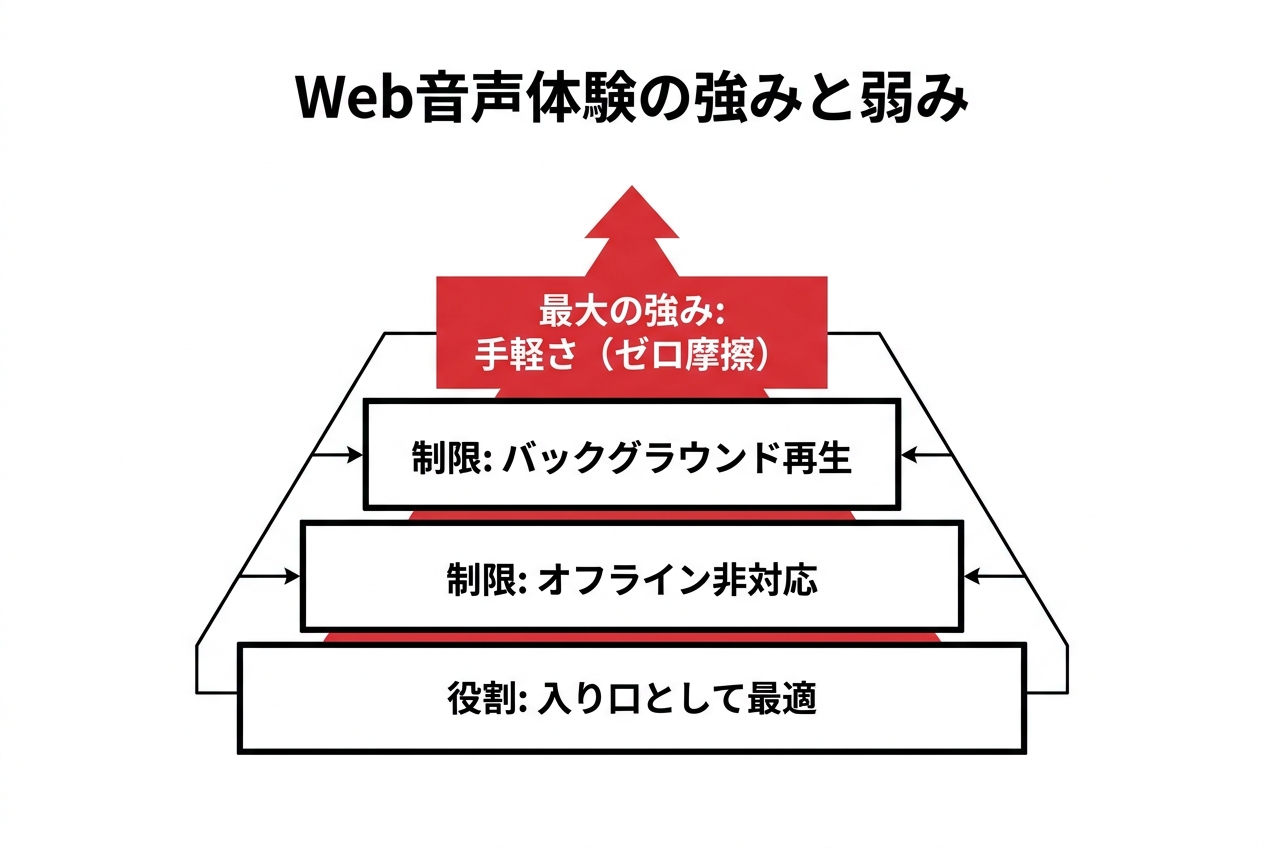
Web audio means playing an article directly on its page. A reader arriving from search, social media, or a newsletter can press play without visiting an app store or creating an account. That makes it useful for discovering whether readers want an audio option at all.
The trade-off is control. Background playback differs across browsers and operating systems. The Media Session API can add metadata and controls to a lock screen, but it does not guarantee that playback will continue. Offline playback is possible with a PWA, although cache management adds engineering and support work.
When I built a web player, playback-position storage and mobile button placement consumed more time than expected. Good speech is irrelevant if readers never notice the control. Our article audio service comparison explains why the delivery layer belongs in the buying decision.
Native apps are better at building a listening habit
A native app can offer predictable background playback, downloads, operating-system media controls, and push notifications. These features fit recurring listening: a commute, a daily briefing, or a saved weekend reading list.
In our voice-chat app, notifications about new characters gave people a reason to reopen the product. More notifications were not always better. Poor timing or low-value messages encouraged users to disable them, removing the channel entirely.
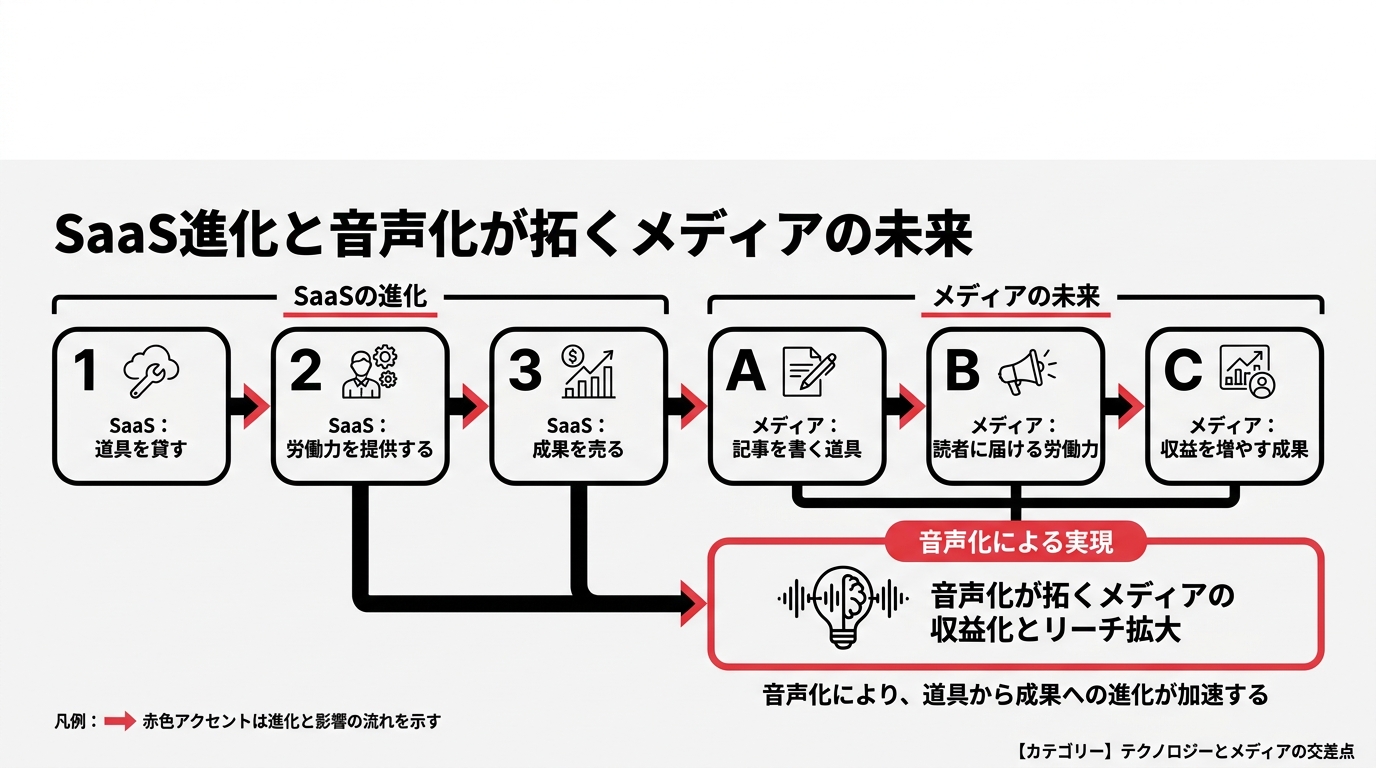
Apps also carry continuing costs: store review, OS updates, crash monitoring, and release management. A short campaign or a publication with infrequent updates may never recover that cost. As the shift from SaaS features to outcomes suggests, publishers are buying more listening opportunities, not a longer feature list.

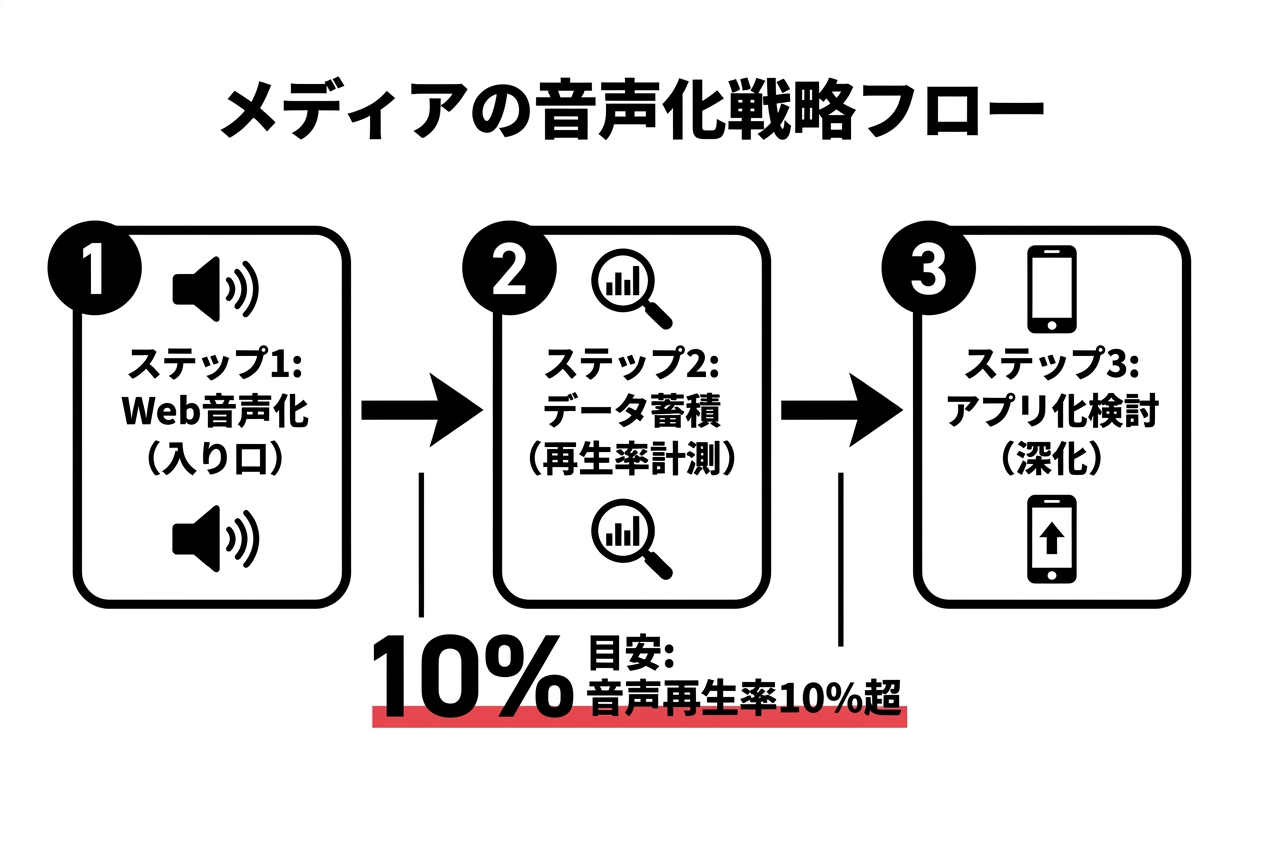
Test demand on the web before funding an app
Start by comparing article-level play starts, completion, and repeat listening under consistent conditions. There is no universal pass rate. Article length, traffic source, player position, and audience intent all change the result.
In publisher conversations, I look for repeated use by the same audience and unsolicited requests for background or offline listening. If most plays are one-time experiments, an app may add distribution friction without creating a habit.
What the web test needs to measure
Place the player near the headline and label it with text, not only an icon. Offer a small set of speed controls, remember playback position, and add Media Session metadata where supported.
Then look beyond total plays. Check immediate stops, completion, repeat use, and whether the page remained active. The small-test approach in our 2026 TTS market strategy works here too.
An app fits a frequently updated publication with a known returning audience. A search-led site with mostly one-time visitors may be better served by the web. The useful distinction is simple: the web is where a publisher tests demand; an app is where a confirmed habit can be deepened.
By Yutaro Sasao, CEO of MediaLeap Inc.
PUBVOICE - Deliver your articles as audio
We built PUBVOICE so media operators can add a listening experience without extra workload. Register an RSS feed and every new article gets audio automatically.
Every time we hear editors worry that readers never finish their articles, we keep coming back to the same answer: audio reaches the moments text cannot - commutes, chores, workouts. PUBVOICE was born from that conviction.

Yutaro Sasao
We take each person's "I want to" and "I want to be able to" seriously, and use technology to make it happen. That is our mission.
Opening up new possibilities with digital technology. Drawing on roughly ten years in the advertising and media industries, Yutaro builds app development for web media companies with AI-driven efficiency.
Talk to us about your next project
Contact us about app development or other digital initiatives. We will review your requirements and recommend an approach suited to your business.
Related posts
Contact
Contact us to discuss app development for your media business. We will recommend an approach based on your requirements and commercial goals.
Contact Form
Send us your inquiry using the form below. We aim to respond within 24 hours.
Contact by Email
info@media-leap.com
We aim to respond within 24 hours
Business Hours
Weekdays: 9:00–18:00 JST
Weekends and public holidays: Closed