Why Publishers Consider Audio Ads in the Ad-Block Era
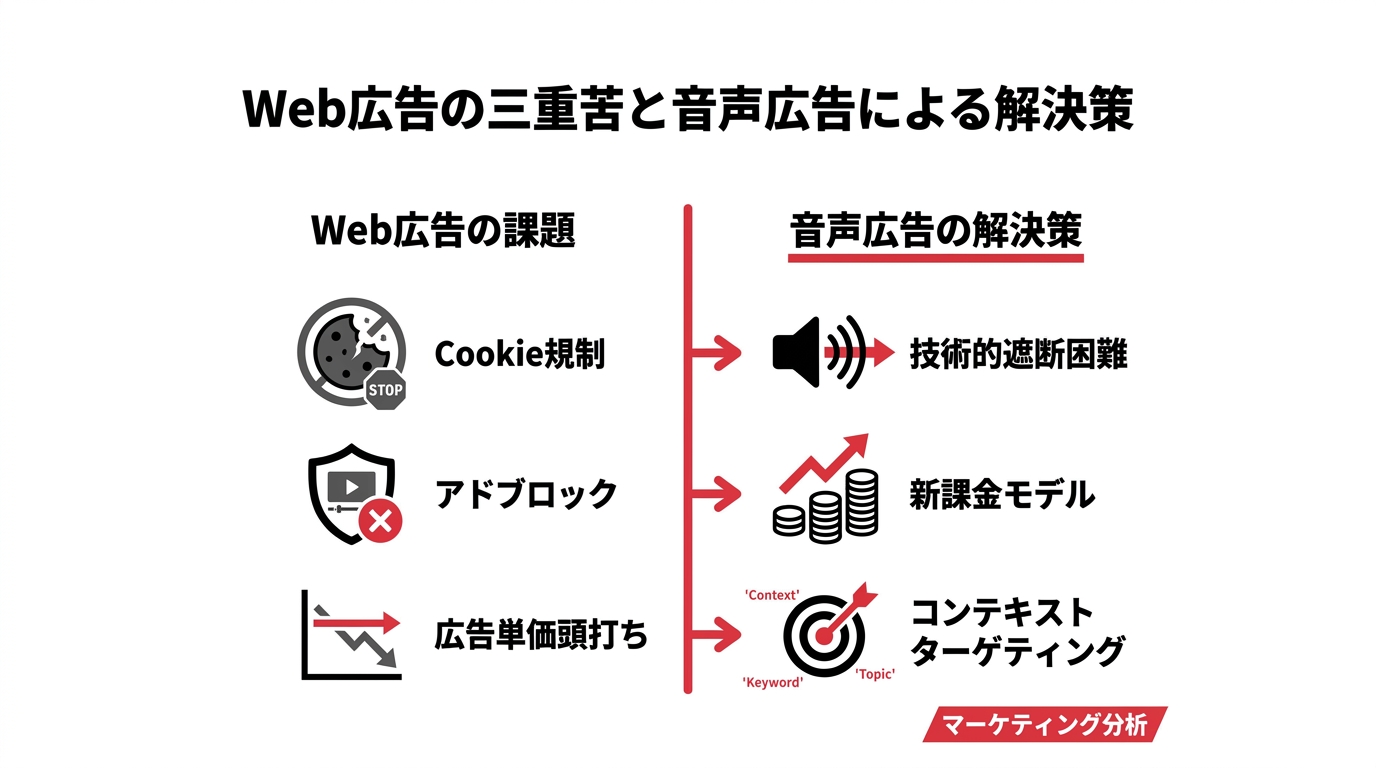
Audio ads travel differently from DOM-based display ads, but they are not immune to blocking. Publishers need to understand both the technical distinction and its limits.
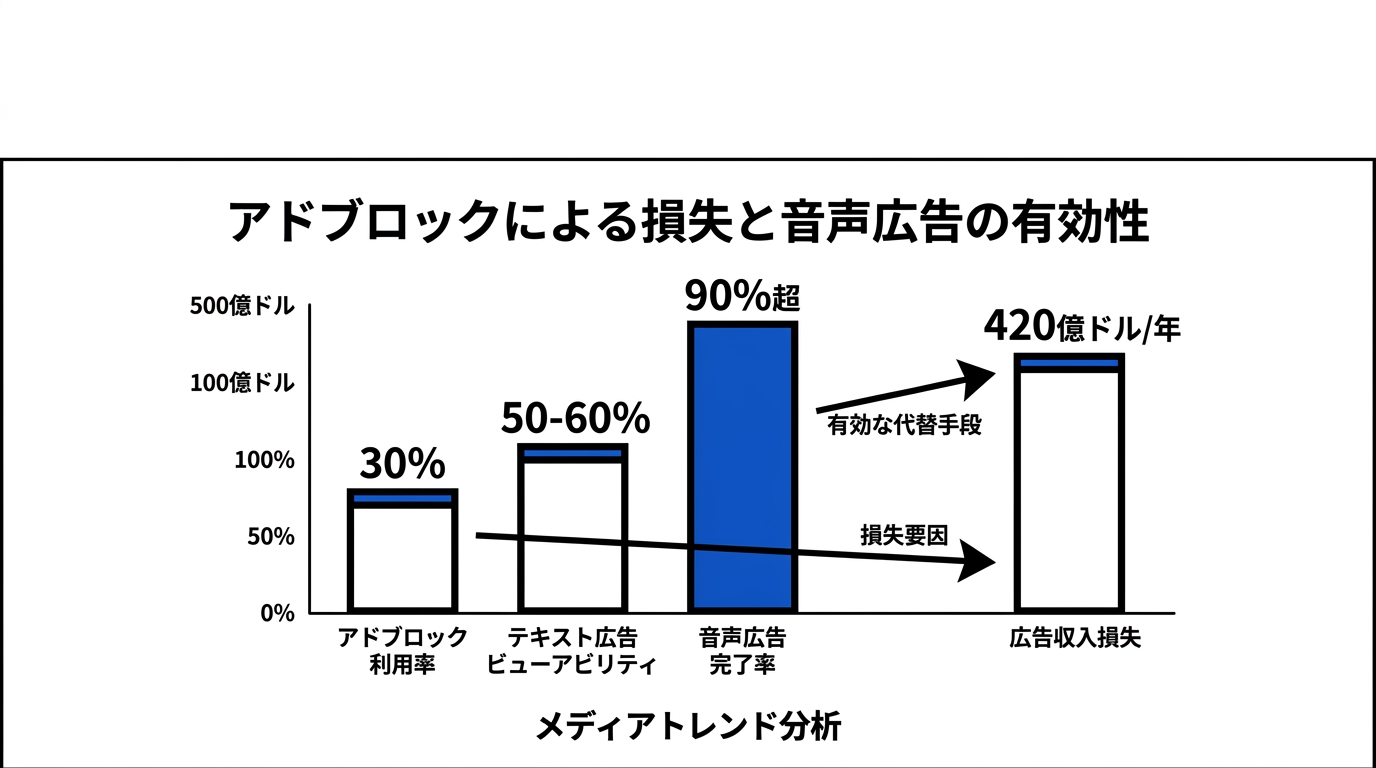
Ad blocking is more than a preference among people who dislike advertising. For publishers, it creates a gap between inventory that appears available and impressions that can generate revenue.
A GWI estimate summarized by Backlinko puts global usage at roughly 30% of internet users. Rates vary materially by country, device, definition, and survey method. The figure should not be treated as the loss rate for a particular publication.
I have worked in both ad monetization and publisher analytics. I have seen tags function correctly while revenue disappeared, and I have seen aggressive countermeasures make the reader experience worse. Audio deserves consideration, but selling it as “advertising that bypasses blockers” misstates the technology.
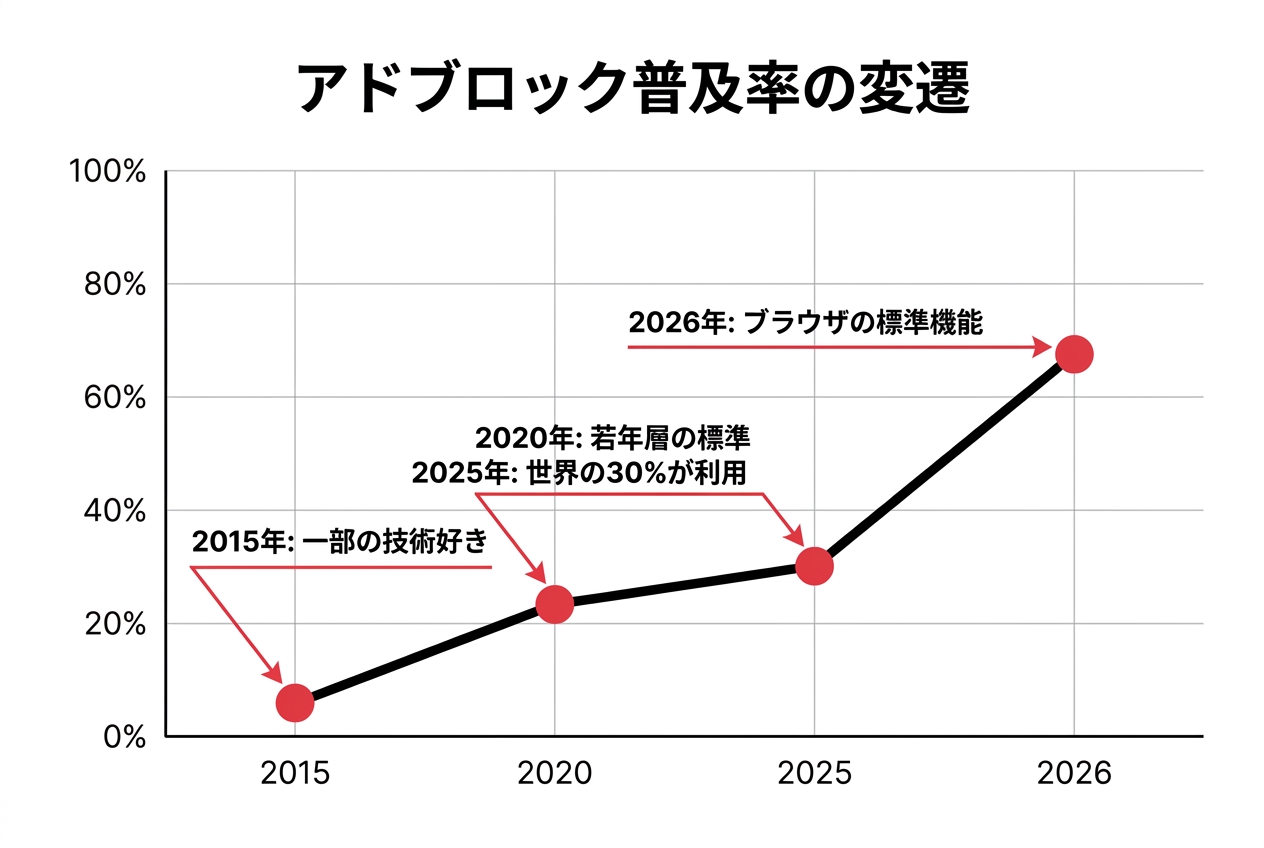
Blockers can remove elements and stop requests
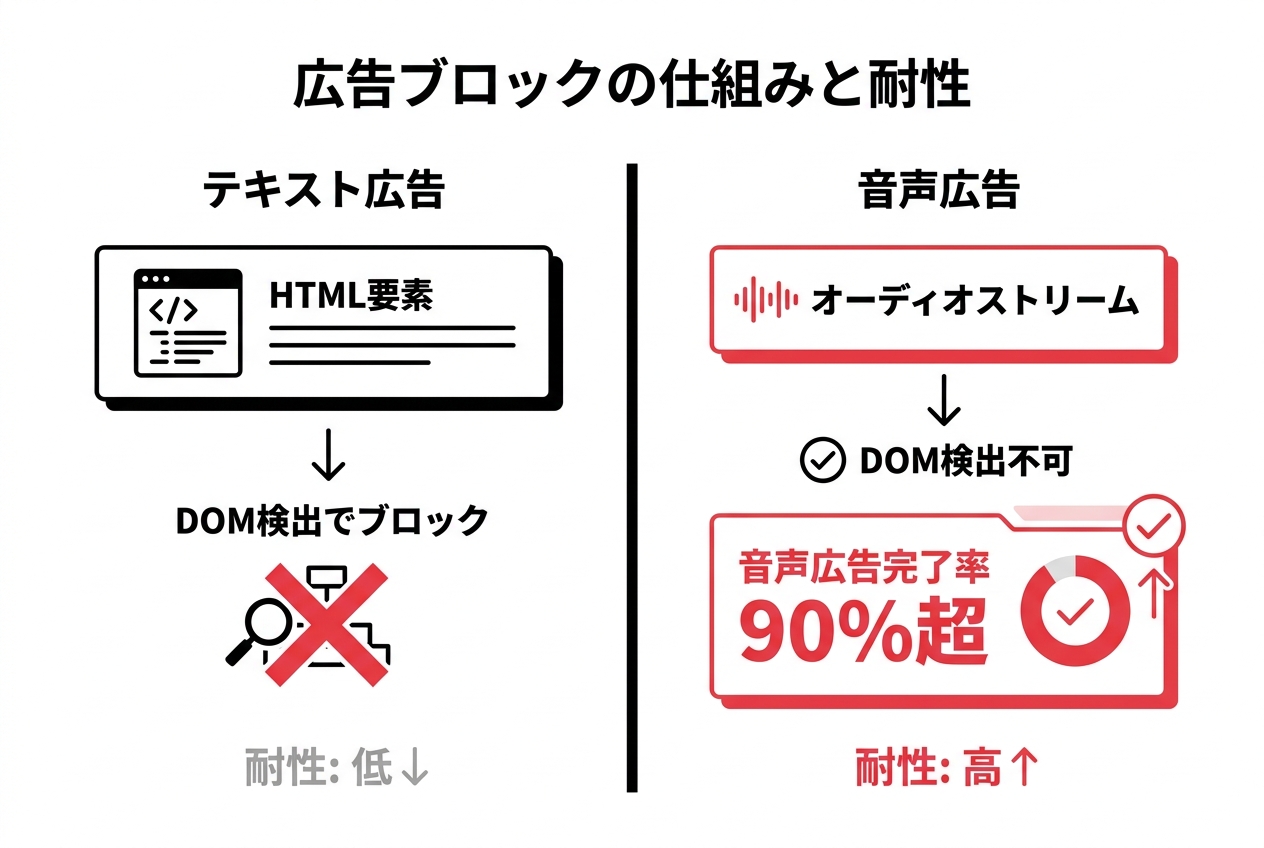
An ad blocker applies filter rules to HTML elements and network traffic associated with advertising. It may hide a banner in the DOM, block a script, or prevent a request to a known ad-serving domain.
Around 2015, many ad operations teams treated blocking as a problem concentrated among technical users. Tracking prevention later became part of mainstream browsers, extending the commercial impact beyond people who deliberately installed an extension.
Audio resistance depends on delivery
When a publisher stitches an ad into the same audio file as the editorial content, hiding a page element does not remove the spoken spot. The delivery resembles broadcast radio.
Dynamic insertion is different. The player may call an ad server at playback time and request a separate creative. A filter can block that domain, URL pattern, or tracking pixel. “Audio cannot be blocked” is therefore false.
The format also creates its own user-experience cost. Pre-roll reaches more listeners but may stop a first play. Mid-roll can fit a chapter break but disrupt a short article. Post-roll reaches fewer, more engaged listeners. The three-format audio advertising guide examines these choices.
Start with a house ad, not an avoidance claim
Add ad-free audio to ten long-form stories and measure starts and completion for two to four weeks. Then run a five-second house message and compare editorial reach with the ad-free group. Approach an external sponsor only after the publication has evidence that people continue listening.
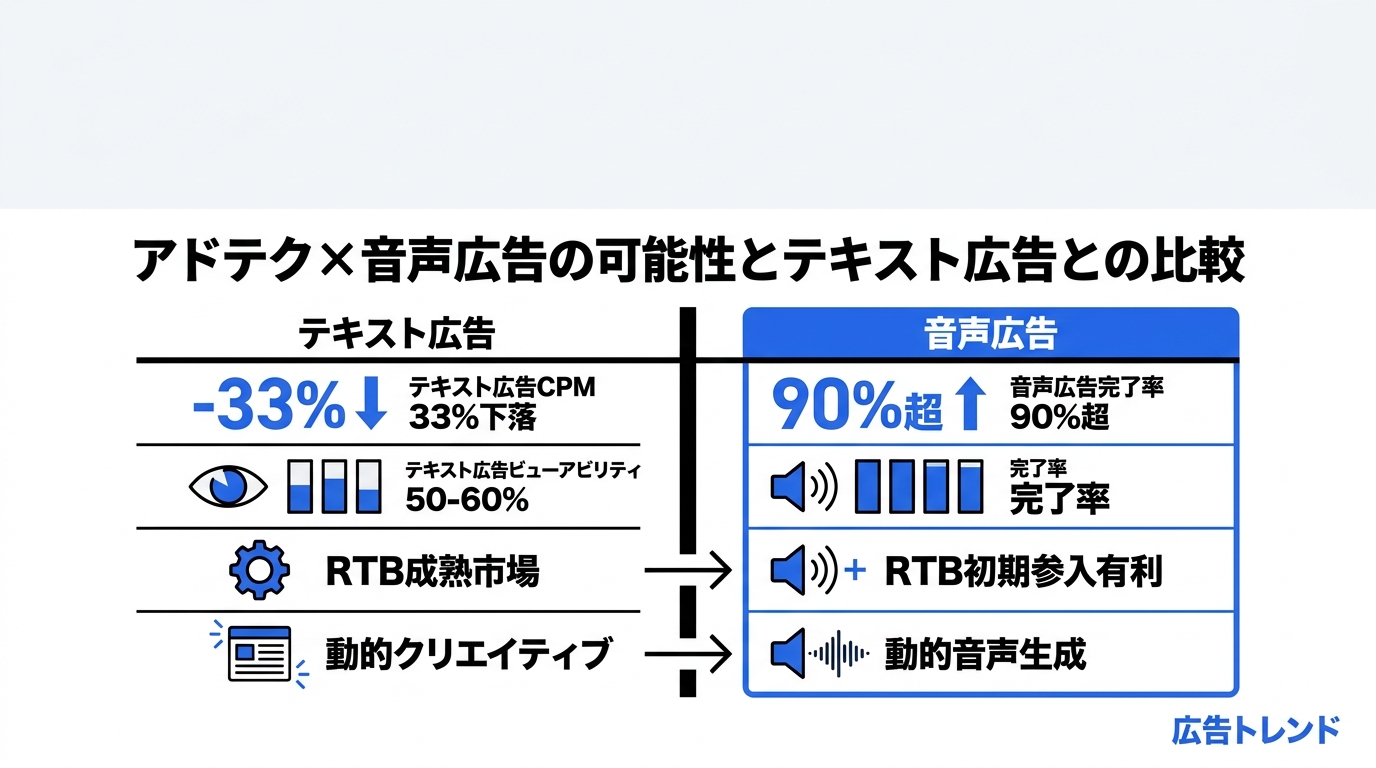
Programmatic delivery adds consent management, creative review, measurement, and integrations. Bringing ad tech into audio explains why a directly sold test usually comes before RTB.
Short breaking news and visual reporting are weak candidates. Audio is also harder to attribute: a listener may hear a message and search later rather than click. Dedicated URLs, offer codes, brand-lift research, and search trends can help, but each adds cost.
Treat audio as diversification, not circumvention
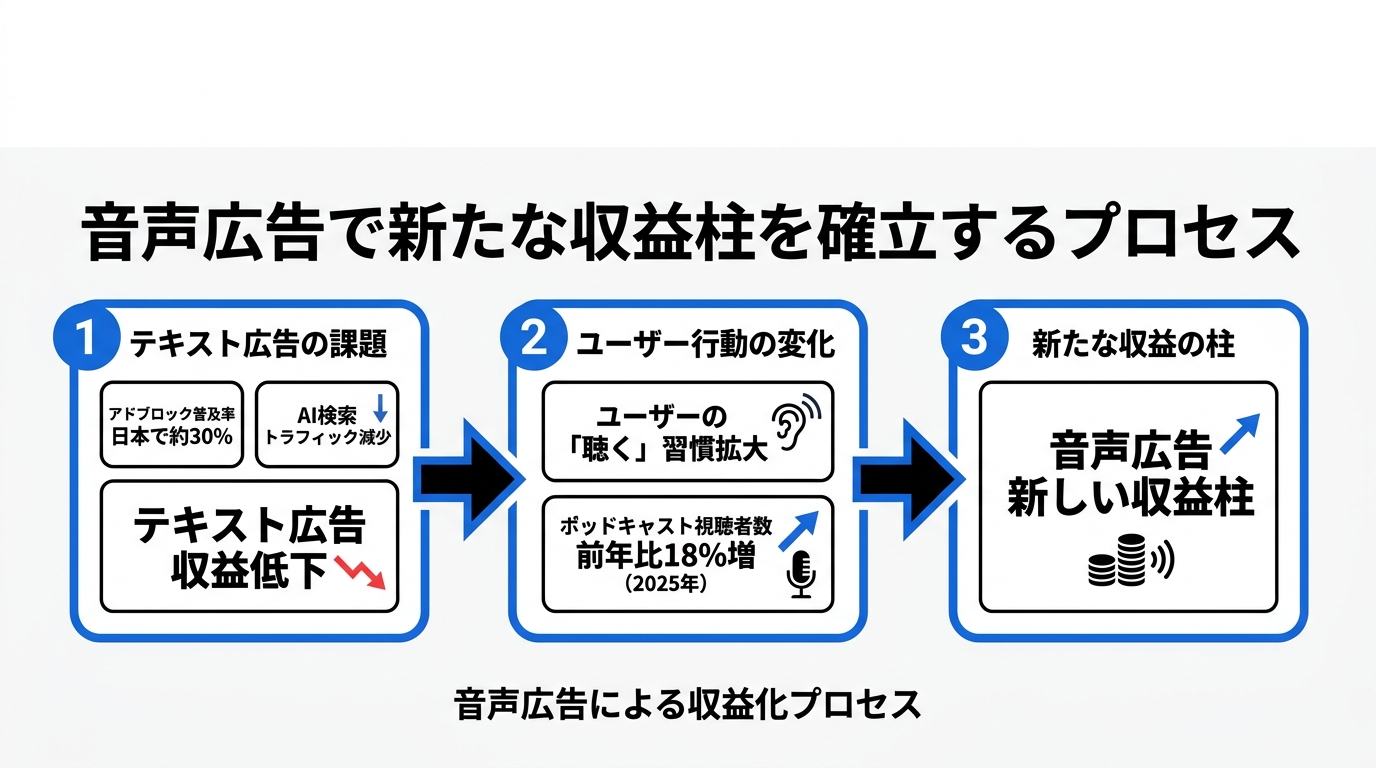
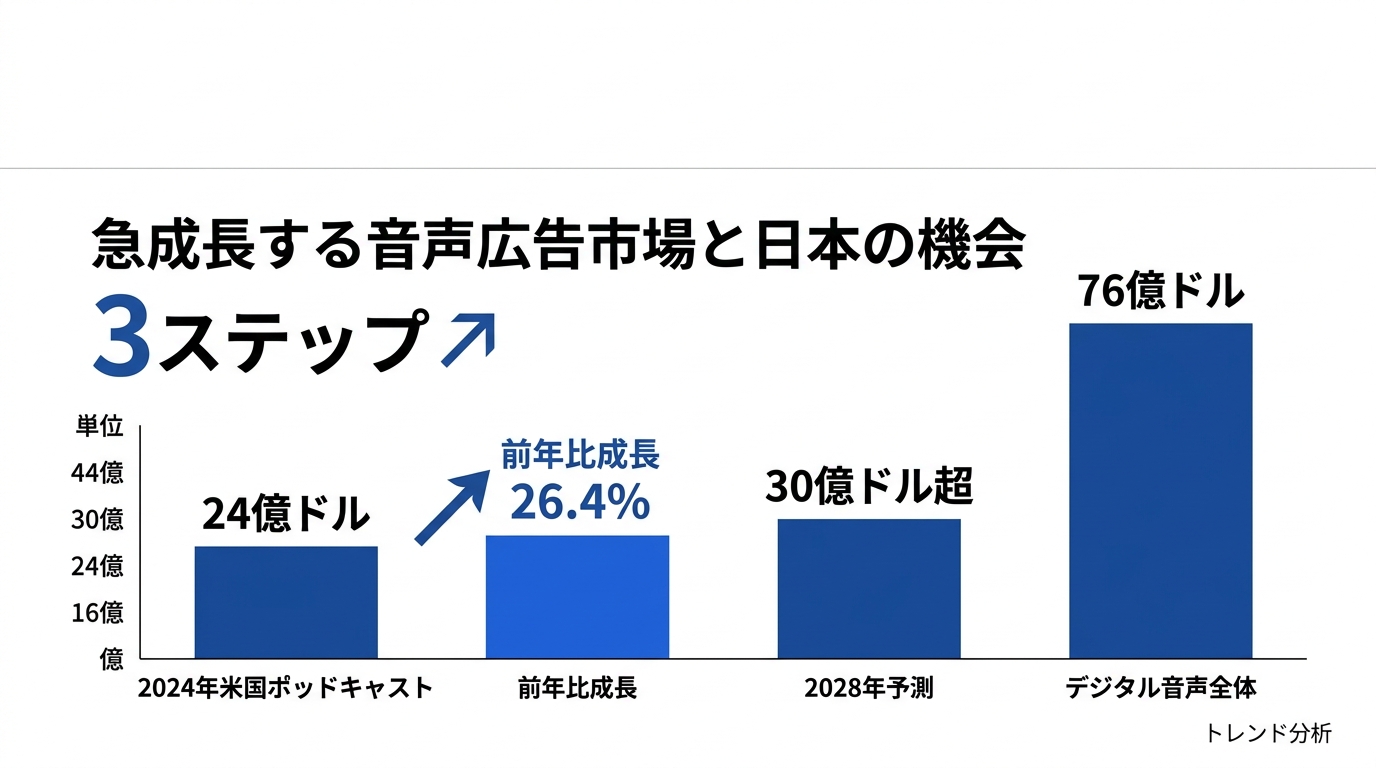
The global 30% estimate describes a market condition, not a guaranteed recovery opportunity. ROI depends on listening starts, ad load, fill, CPM, production cost, and drop-off. Until those inputs are measured, the revenue is a scenario.
Publishers should also compare advertising with subscriptions and sponsorship in the four audio revenue models and the audio subscription playbook.
MediaLeap Inc. develops PUBVOICE to help publishers create and measure an audio path. We do not promise an escape from ad blocking. The durable opportunity is narrower: add a revenue route that readers accept, then measure it honestly.
PUBVOICE - Deliver your articles as audio
We built PUBVOICE so media operators can add a listening experience without extra workload. Register an RSS feed and every new article gets audio automatically.
Every time we hear editors worry that readers never finish their articles, we keep coming back to the same answer: audio reaches the moments text cannot - commutes, chores, workouts. PUBVOICE was born from that conviction.

Yutaro Sasao
We take each person's "I want to" and "I want to be able to" seriously, and use technology to make it happen. That is our mission.
Opening up new possibilities with digital technology. Drawing on roughly ten years in the advertising and media industries, Yutaro builds app development for web media companies with AI-driven efficiency.
Talk to us about your next project
Contact us about app development or other digital initiatives. We will review your requirements and recommend an approach suited to your business.
Related posts
Contact
Contact us to discuss app development for your media business. We will recommend an approach based on your requirements and commercial goals.
Contact Form
Send us your inquiry using the form below. We aim to respond within 24 hours.
Contact by Email
info@media-leap.com
We aim to respond within 24 hours
Business Hours
Weekdays: 9:00–18:00 JST
Weekends and public holidays: Closed