Three Audio Strategies for News Publishers
A comparison of full-catalog text-to-speech, narrated features, and short audio briefings, plus a practical pilot model for smaller publishers.
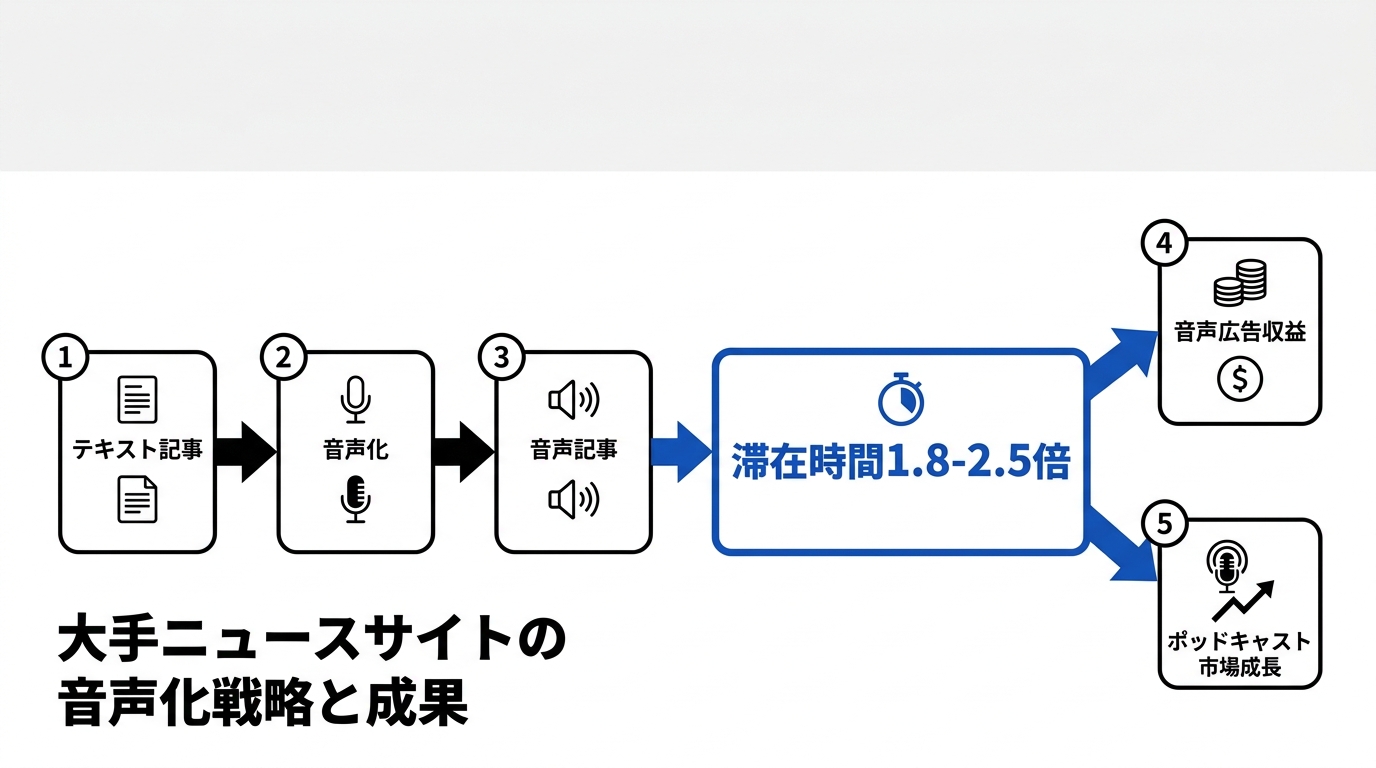
News publishers use three distinct audio models: text-to-speech across a large catalog, human narration for selected work, and short editorial briefings. Each serves a different listening moment and carries a different cost structure.
I worked across advertising, analytics, and implementation at a large publishing site. Copying the interface of a major newsroom rarely reproduces its result. The production system and success metric matter just as much.
Publishers use audio to increase reachable time
Commuters and people doing household tasks may care about the news without being able to watch a screen. Audio moves reporting into that unavailable reading time. It can also bring podcast listening habits back into a publisher’s owned product or membership.
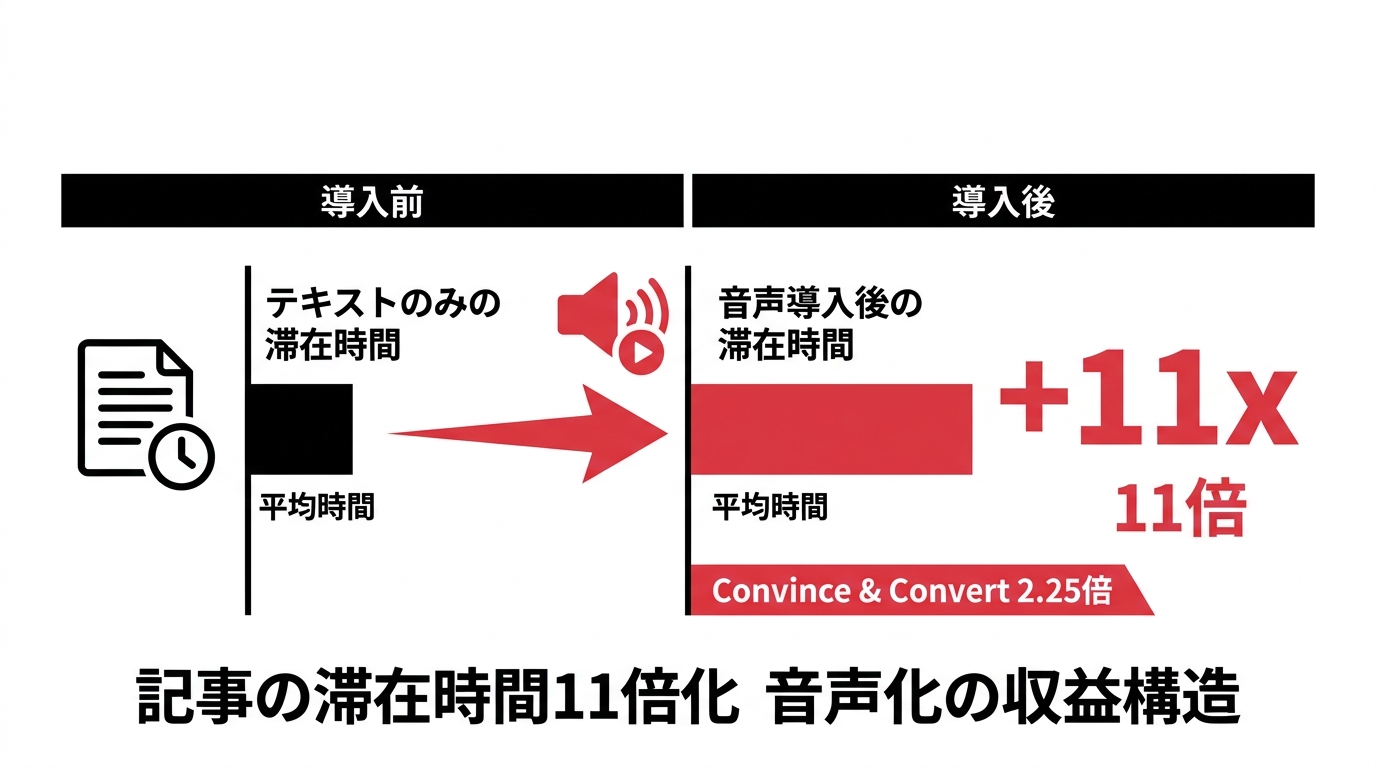
Listening sessions often last longer, but the 1.5–2.5x range we observed is not a guarantee. Definitions, missing sample-size records, and self-selection are documented in our methodology article.
Across more than 30 media implementations and support engagements, I have seen long-form articles attract early listening while short breaking items received few starts. Story lifespan and depth matter more than the broad “news” label.
Full-catalog text-to-speech prioritizes speed and scale
Text-to-speech can create audio soon after publication and process a large catalog without narrator scheduling. It still needs pronunciation rules, number handling, editorial exceptions, and monitoring.
While building a voice app, I found that connecting the API was easier than tuning names, pauses, and headings. A fast pipeline can publish errors; a heavy review process can make audio arrive after a breaking story has expired.
Human narration concentrates value
Journalist or narrator recordings build a recognizable relationship through voice. They suit investigations, interviews, and signature columns with a long shelf life. Cost and scheduling make this model difficult to apply everywhere.
BeyondWords supports publisher workflows including journalist voices at News Corp Australia. The Irish Times has also used audio within subscriber products. These models pursue membership value as well as ad inventory.
Short briefings build habit but remove context
A one-to-three-minute morning or evening briefing is easy to finish and distribute through podcast and smart-speaker channels. It also creates editorial responsibility for what gets removed.
Reading an unreviewed AI summary can erase caveats or opposing evidence. The faster the format, the more deliberately the newsroom must place human review.
Audio ads do not bypass every blocker
Display-blocking behavior differs by market. In Japan, Backlinko’s compilation of GWI and related data suggests a 15–17% range. Streamed audio differs from DOM display ads, but the ad request can still be blocked.
From my ad-platform experience, changing formats did not make the structural revenue problem disappear. Audio works better as diversification through inventory and membership value. Audio revenue and engagement separates those paths.
Smaller publishers can narrow the test
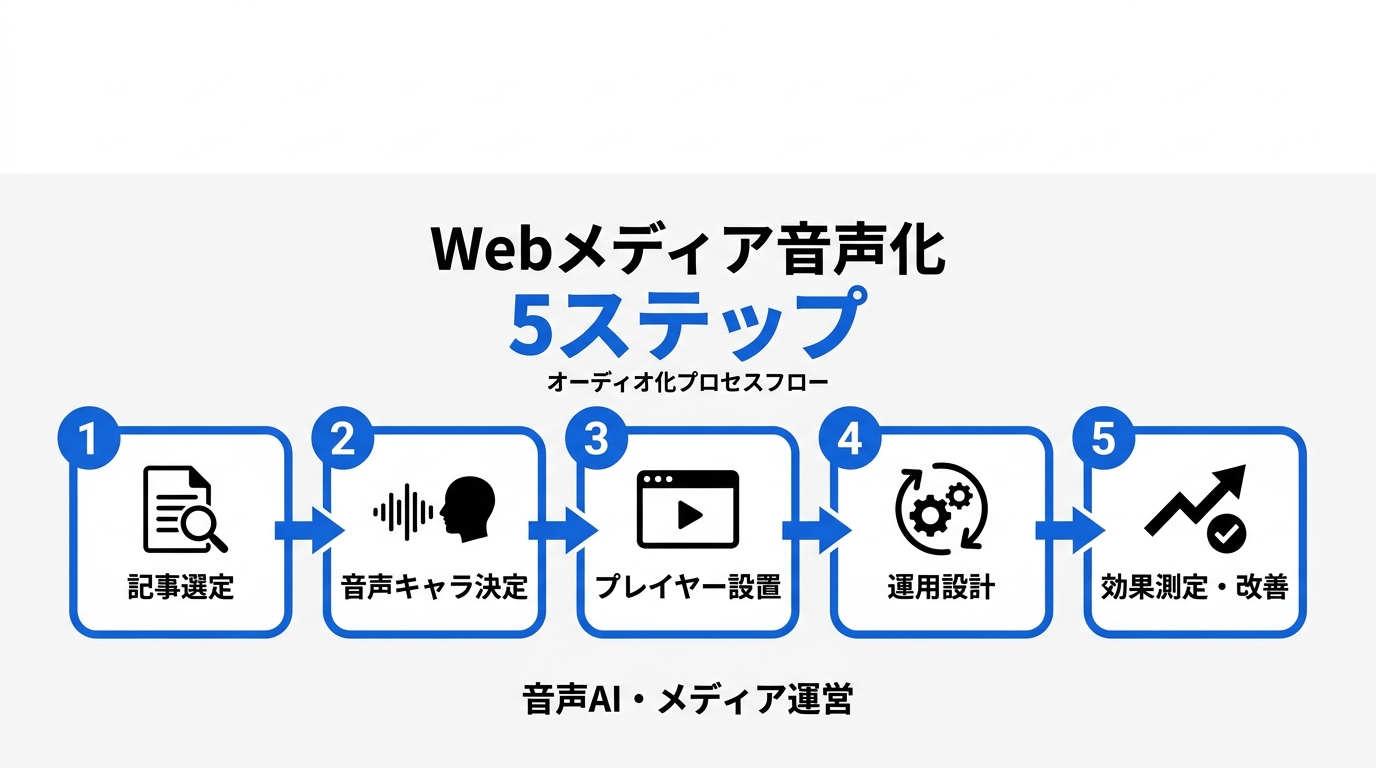
A smaller organization does not need full-catalog production or a studio. Select 10–20 proven long-form pieces and observe start rate, completion, and listening versus non-listening engagement for four to eight weeks. Define audio KPIs before launch.
Custom development offers control but requires player, delivery, dictionary, and analytics maintenance. SaaS shortens setup while adding subscription cost and dependency. Audio costs and ROI compares the assumptions.
Visual stories, legal or medical references, and very short breaking items are weak initial candidates. MediaLeap Inc. operates PUBVOICE, but even a vendor should not recommend converting every article. Begin where a publication’s strongest work overlaps with time its audience can listen.
Japanese-language publishers can review PUBVOICE for a limited test.
PUBVOICE - Deliver your articles as audio
We built PUBVOICE so media operators can add a listening experience without extra workload. Register an RSS feed and every new article gets audio automatically.
Every time we hear editors worry that readers never finish their articles, we keep coming back to the same answer: audio reaches the moments text cannot - commutes, chores, workouts. PUBVOICE was born from that conviction.

Yutaro Sasao
We take each person's "I want to" and "I want to be able to" seriously, and use technology to make it happen. That is our mission.
Opening up new possibilities with digital technology. Drawing on roughly ten years in the advertising and media industries, Yutaro builds app development for web media companies with AI-driven efficiency.
Talk to us about your next project
Contact us about app development or other digital initiatives. We will review your requirements and recommend an approach suited to your business.
Related posts
Contact
Contact us to discuss app development for your media business. We will recommend an approach based on your requirements and commercial goals.
Contact Form
Send us your inquiry using the form below. We aim to respond within 24 hours.
Contact by Email
info@media-leap.com
We aim to respond within 24 hours
Business Hours
Weekdays: 9:00–18:00 JST
Weekends and public holidays: Closed