What Happens When Ad Tech Moves Into Audio
RTB, dynamic creative, and contextual targeting can all work in audio. The harder question is whether publishers have enough demand, inventory, and measurement to justify them.
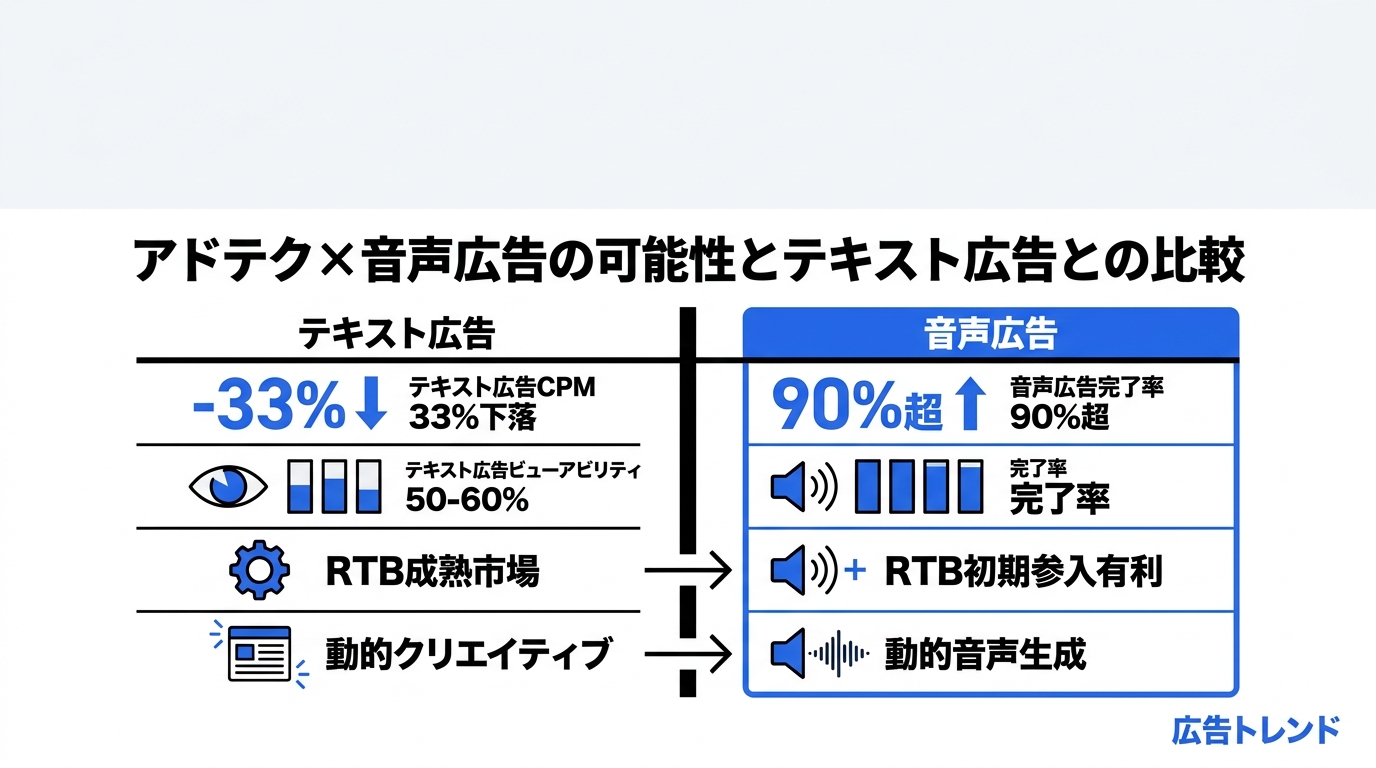
“Can audio inventory be sold automatically, the way display inventory is?” Publishers have asked me this several times.
Technically, yes. Commercially, not by default. Real-time bidding only produces revenue when inventory, buyer demand, measurement, and creative approval all work together.
I worked on Japan’s early shift to programmatic advertising from the SSP and ad-network side. A small increase in latency could lose an auction; adding bidders sometimes failed to move CPM at all. Audio inherits those operational realities.
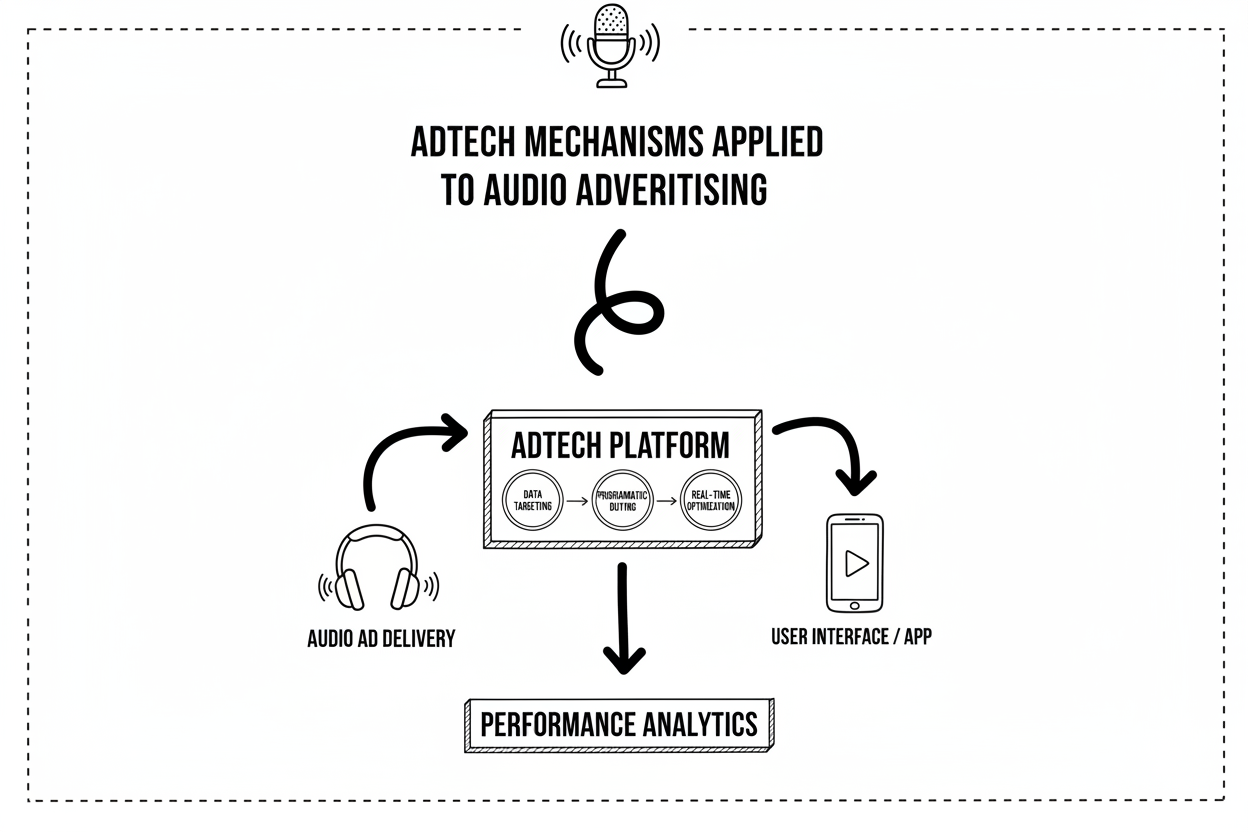
RTB sells an audio opportunity in milliseconds
Real-time bidding, or RTB, runs an auction immediately before an ad opportunity. An audio player sends a request, eligible buyers bid, and the winning creative plays before or inside the editorial stream.
Scarce inventory may attract higher bids, but scarcity does not create demand by itself. A publisher still needs audiences and subjects advertisers want. The choice between pre-roll, mid-roll, and post-roll also changes reach and drop-off; the audio ad format guide covers those trade-offs.
In display operations, I saw new demand partners lift revenue briefly before results flattened. Technology can create competition. It cannot make an undifferentiated impression valuable.
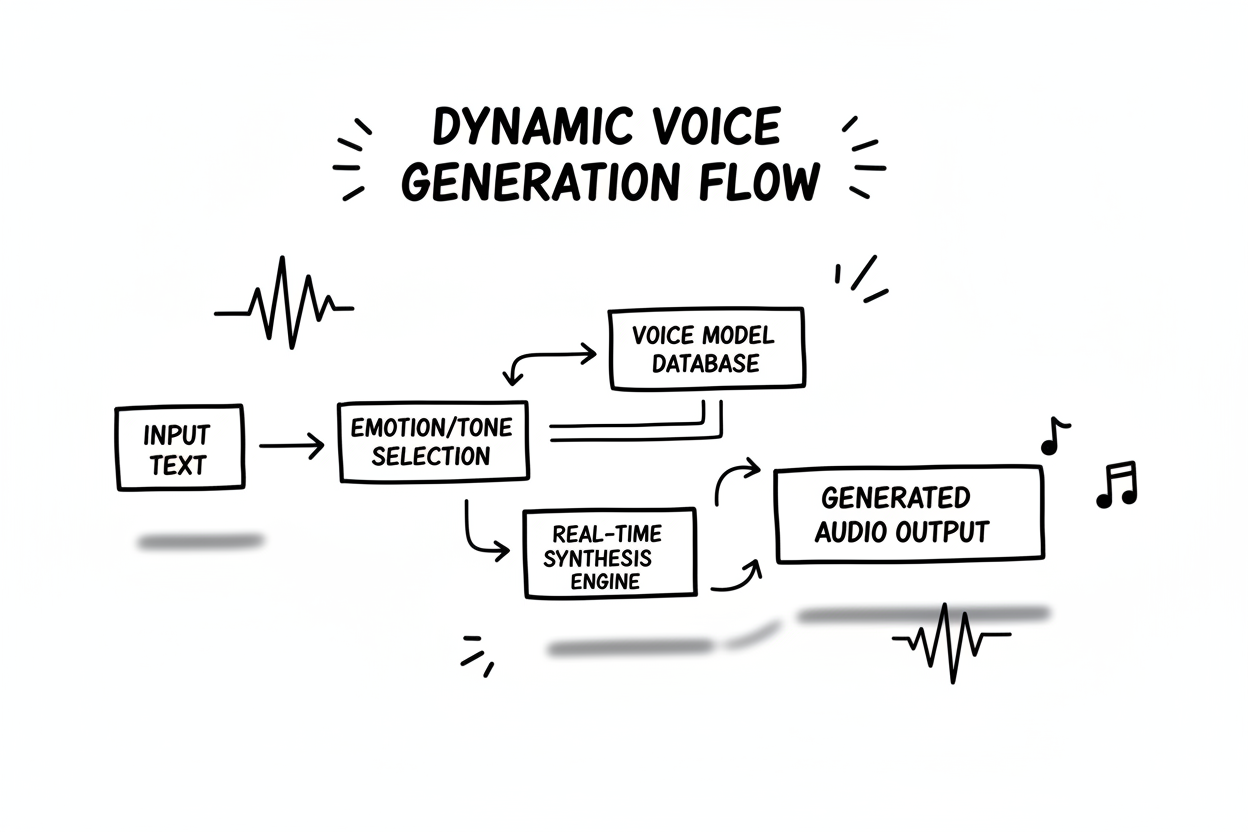
Dynamic generation turns one brief into many audio ads
Dynamic audio creative combines ad copy with conditions such as content category, time, or region. Text-to-speech can produce several approved versions without booking a new recording session for every variation.
A morning market story might carry a restrained financial-services message; a weekend travel feature might use a lighter delivery. Publishers should avoid inferring sensitive traits or stereotyping audiences through voice selection. Explainable inputs such as article category are a better starting point.
Advertisers asked for “a different ad for every person” when I worked on ad products. In practice, review and brand approval reduced the output to a handful of variants. Generative tools lower production cost, but they do not remove legal review, pronunciation checks, or creative governance.
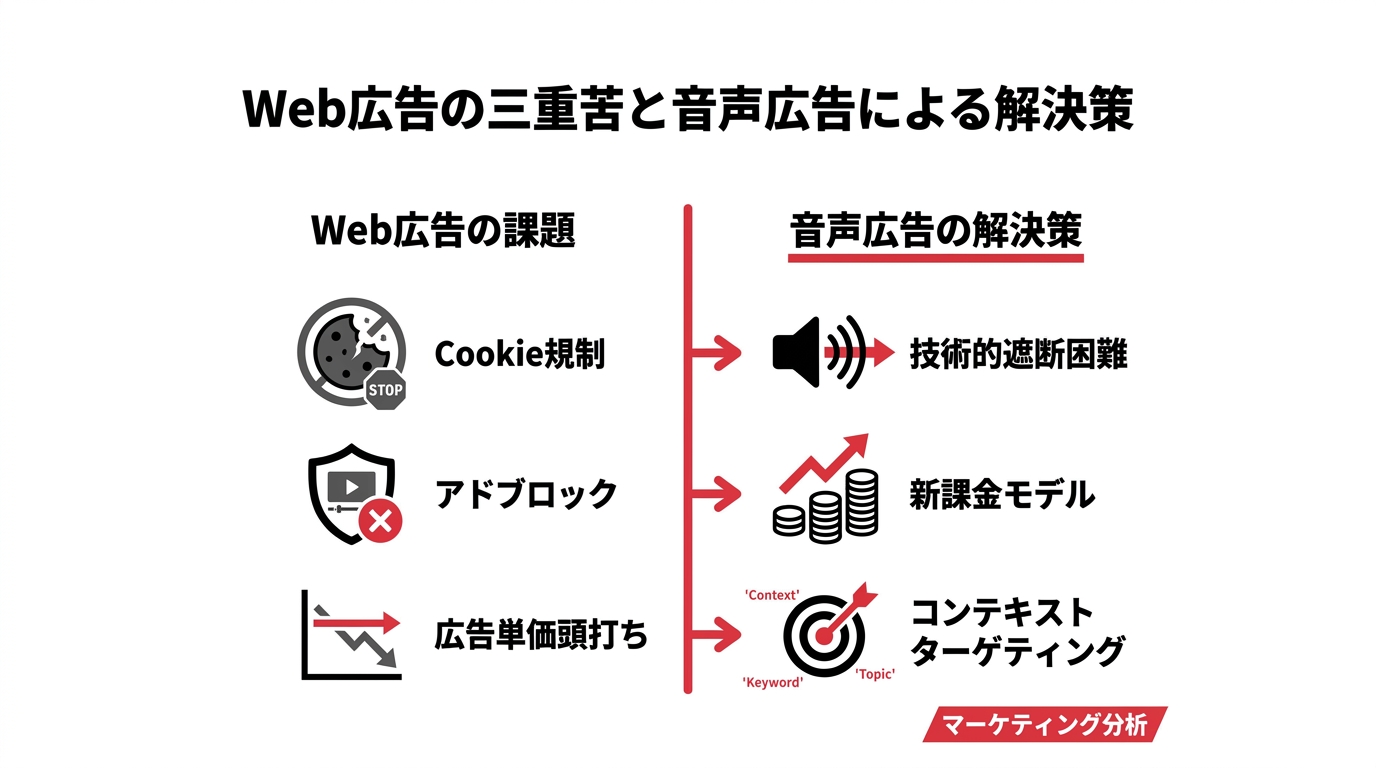
Context can replace part of the behavioral data stack
Contextual targeting selects an ad from the article being heard rather than a person’s browsing history. Headlines, categories, entities, and semantic signals give an audio system more editorial information than most podcast feeds contain.
That does not eliminate privacy work. Starts, stops, playback speed, and completion are behavioral data. Publishers still need retention rules, consent where required, vendor disclosure, and a clear purpose for collection.
Revenue forecasts need explicit assumptions
Consider a hypothetical publisher with 500,000 monthly pageviews, a 15% audio start rate, a 50% ad-load rate, 50% fill, and a $10 CPM. That produces 18,750 monetized plays and $187.50 in monthly gross ad revenue. Change any assumption and the result moves immediately.
This is an illustrative model, not a benchmark or a fee promise. It excludes development, creative, sales, and measurement costs. Indirect display gains from longer sessions also require controlled measurement rather than a blanket uplift assumption.
Building the stack internally means operating the player, ad server, event pipeline, consent layer, and creative review. Having implemented and debugged ad tags myself, I would not recommend starting there for a smaller newsroom. A directly sold pre-roll with one sponsor tests demand much faster.
Build sellable inventory before sophisticated infrastructure
Breaking news, chart-heavy reporting, and pages with low audio starts are poor candidates. If demand is unproven, RTB and dynamic generation lengthen the payback period. Compare them with the four audio revenue models and understand the ad-blocking limits of audio.
MediaLeap Inc. is designing PUBVOICE with future ad connections in mind. Even so, the first useful signal is not auction sophistication. It is whether readers press play and stay for the editorial work. Code can route an impression; sustained listening is what makes that impression worth buying.
PUBVOICE - Deliver your articles as audio
We built PUBVOICE so media operators can add a listening experience without extra workload. Register an RSS feed and every new article gets audio automatically.
Every time we hear editors worry that readers never finish their articles, we keep coming back to the same answer: audio reaches the moments text cannot - commutes, chores, workouts. PUBVOICE was born from that conviction.

Yutaro Sasao
We take each person's "I want to" and "I want to be able to" seriously, and use technology to make it happen. That is our mission.
Opening up new possibilities with digital technology. Drawing on roughly ten years in the advertising and media industries, Yutaro builds app development for web media companies with AI-driven efficiency.
Talk to us about your next project
Contact us about app development or other digital initiatives. We will review your requirements and recommend an approach suited to your business.
Related posts
Contact
Contact us to discuss app development for your media business. We will recommend an approach based on your requirements and commercial goals.
Contact Form
Send us your inquiry using the form below. We aim to respond within 24 hours.
Contact by Email
info@media-leap.com
We aim to respond within 24 hours
Business Hours
Weekdays: 9:00–18:00 JST
Weekends and public holidays: Closed