Three Lessons From a Decade of Audio Products
A decade of smart speakers, podcasts, audiobooks, and social audio suggests three rules: start with the use case, fit an existing routine, and select for quality.
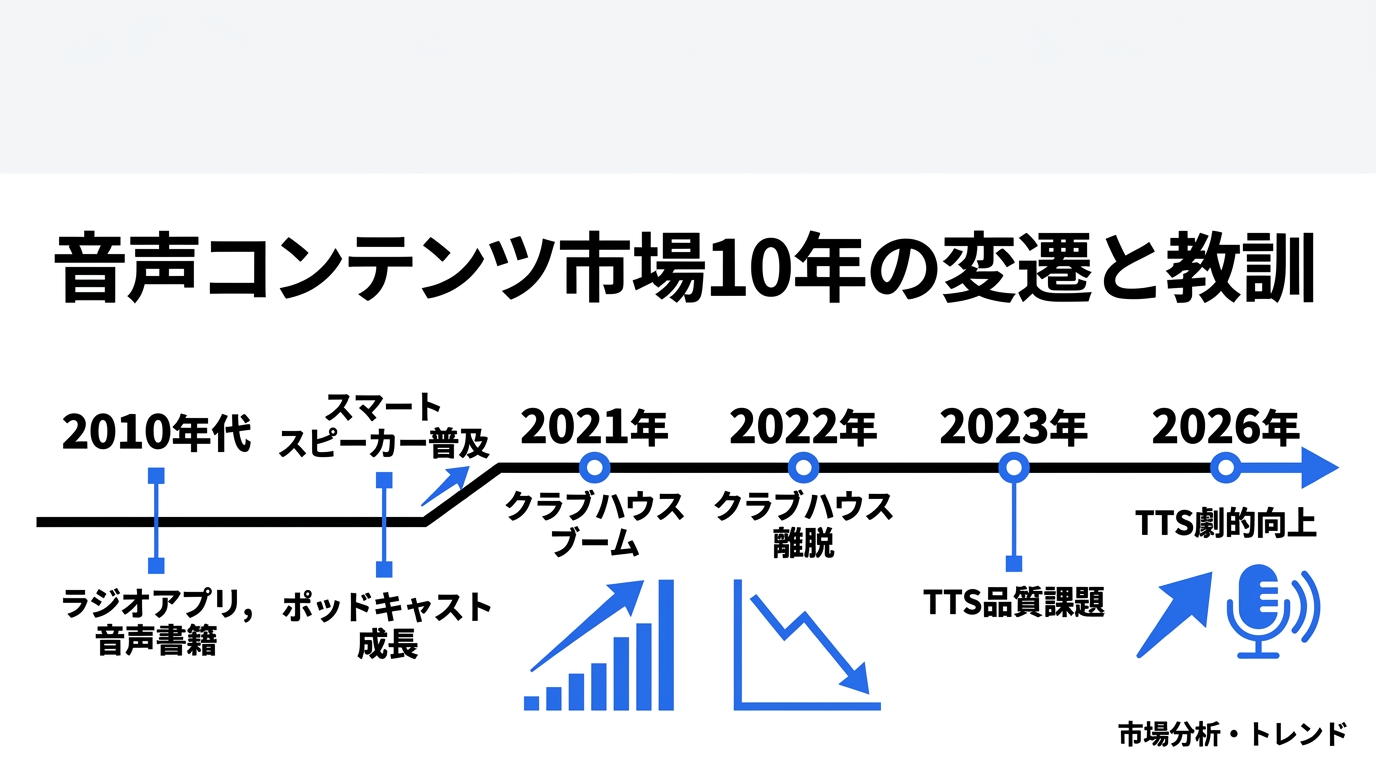
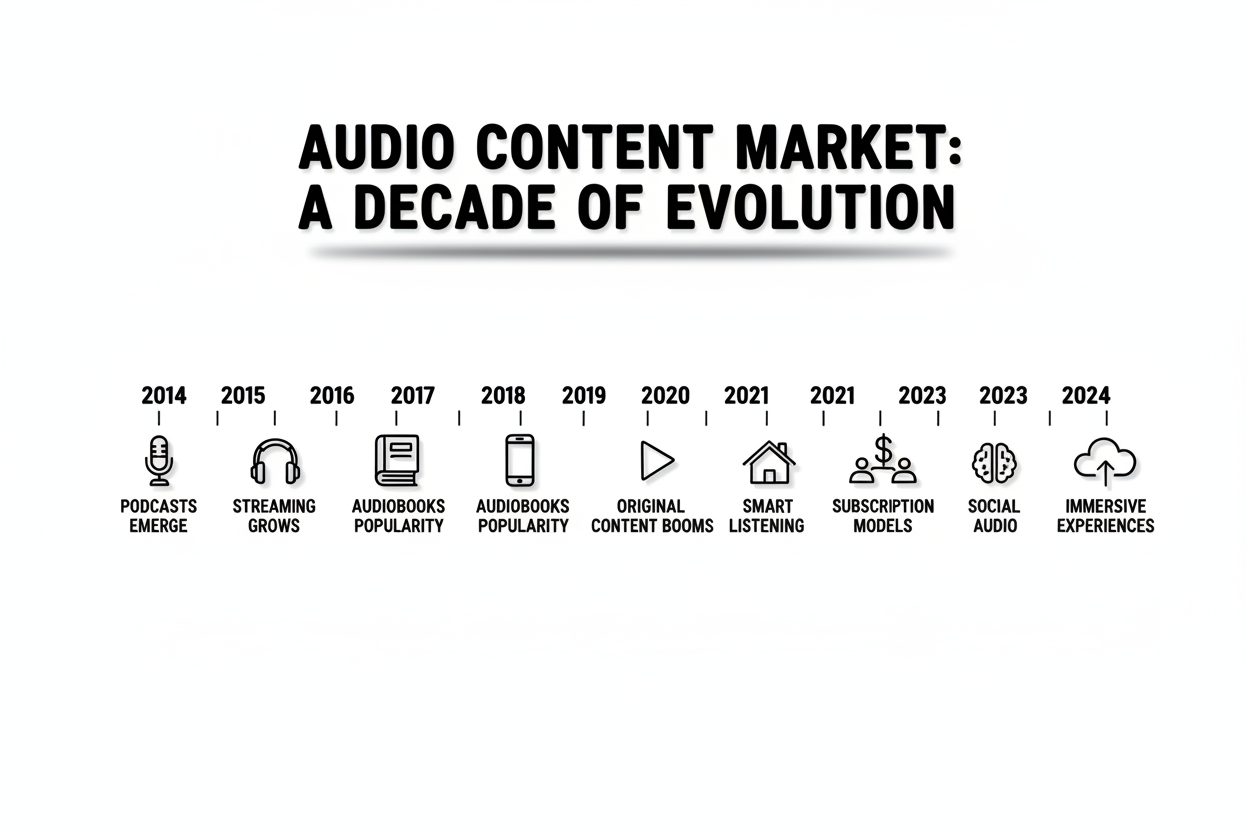
Audio has arrived in waves: radio apps, smart speakers, podcasts, audiobooks, and social audio. Some products endured. Others changed purpose after public attention moved on.
I spent roughly a decade working across publisher monetization, data, and advertising technology while following these shifts. The history does not prove that every publisher needs audio. It offers three better filters for investment: the listening situation comes before the technology, asynchronous habits are easier to sustain, and content selection remains part of audio quality.
The listening situation comes before the technology
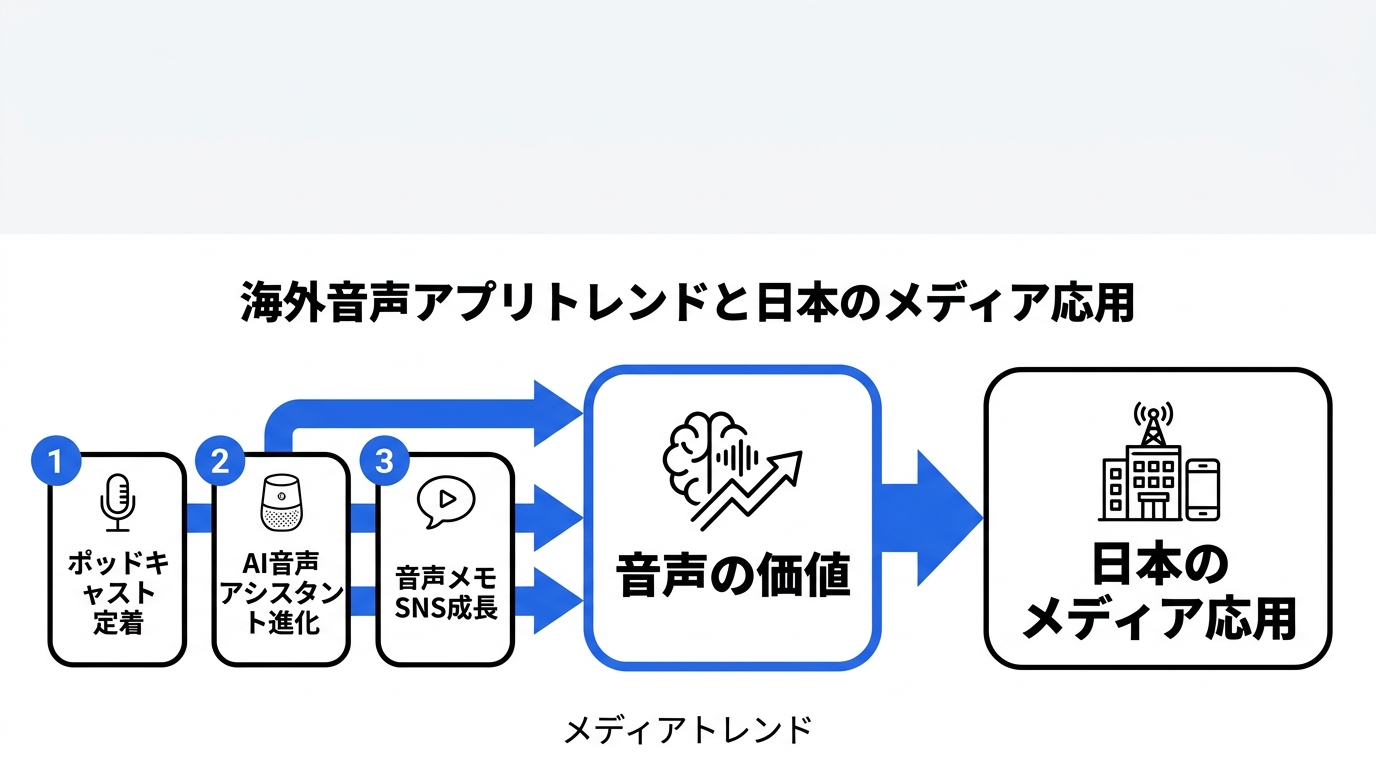
The spread of smart speakers did not automatically produce an equivalent increase in sustained audio consumption. Owning a device and having a reason to use it are different conditions.
Podcasts found stronger footing because the behavior was concrete. A phone downloaded the next episode, and listeners could use it during a commute, walk, workout, or household task.
I have made the opposite mistake in my own product work: beginning with a capability because it was newly possible. Features that could not be tied to a one-sentence use case needed repeated explanation after launch. Three lessons from current audio apps shows why reducing effort often matters more than technical novelty.
For publishers, “we can generate speech” is not a use case. “A reader can finish a 15-minute analysis during a commute” is.
Asynchronous audio fits more lives
Clubhouse's live-room format became a global phenomenon in 2021, then lost its central place in technology culture. The service did not simply disappear. It shifted its product emphasis toward asynchronous voice messages, while continuing to support live audio.
That change is instructive. Live participation asks people to align their schedules. A podcast or recorded article lets the listener choose the moment and resume later.
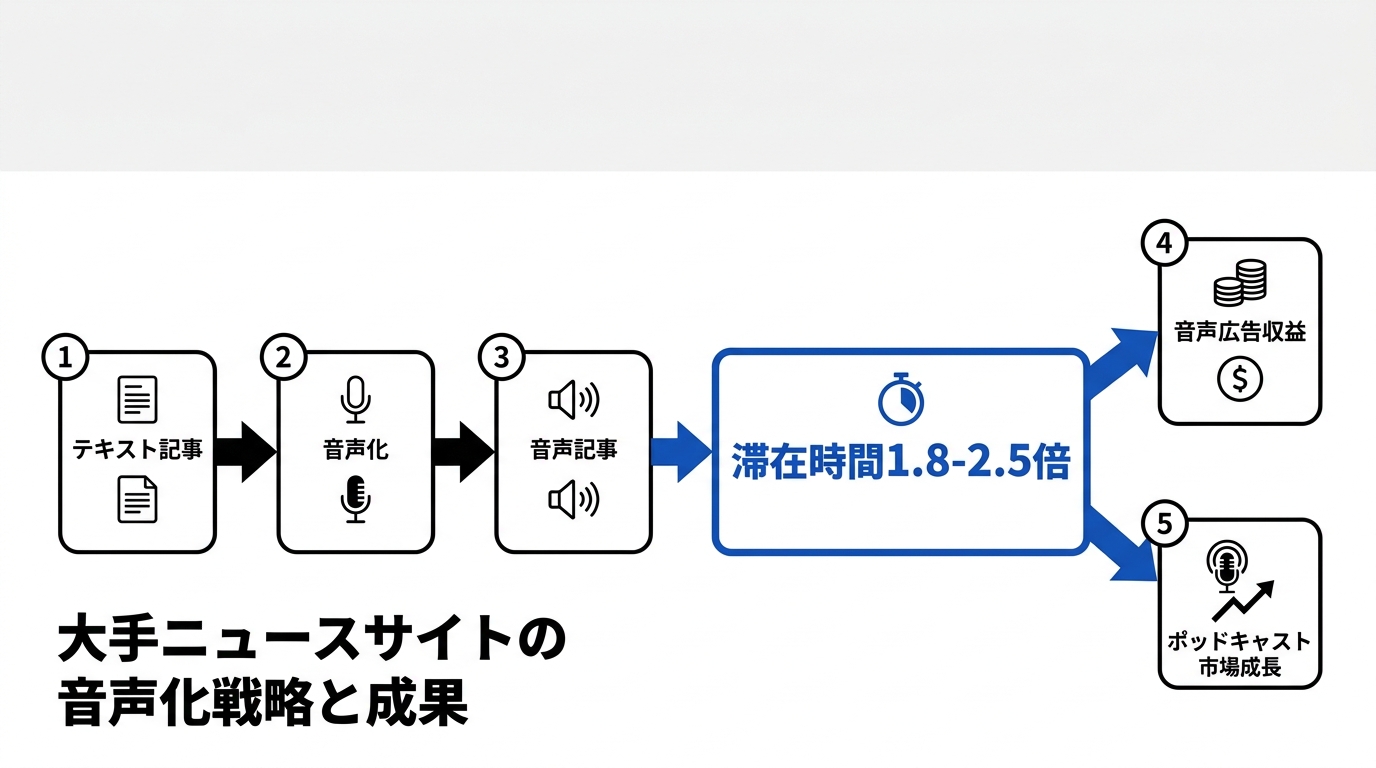
Publisher audio benefits from the same flexibility. Saved progress, background playback, and a clear duration help a story enter time that already exists. What hit audio apps reveal about demand connects this behavior to the desire to keep hands and eyes free.
Live audio still has a place for events, breaking analysis, and community participation. It simply carries higher production and scheduling costs than an on-demand article. The format should match the job.
Better speech does not remove the need to select
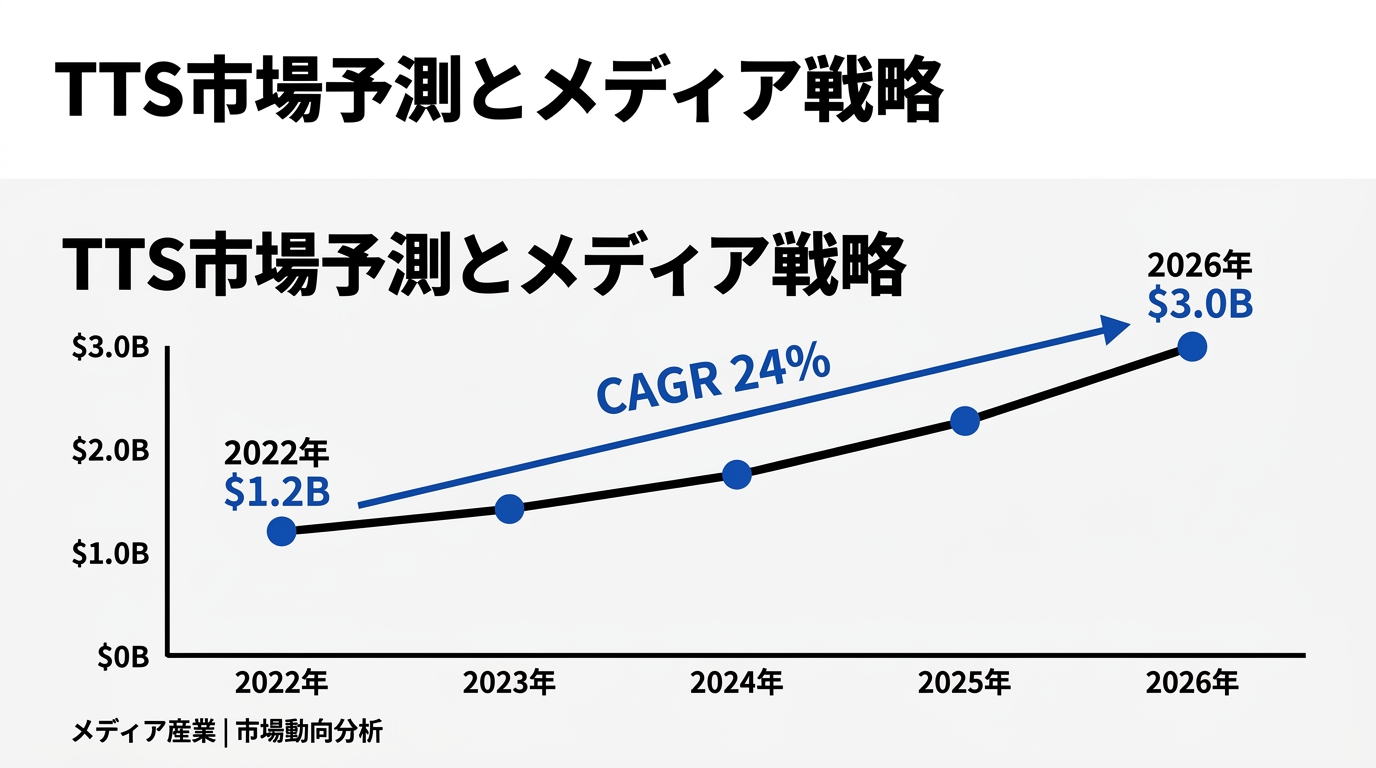
TTS quality has advanced markedly, and ElevenReader remains an active example of listening to articles, PDFs, and books in generated voices. Yet a natural narrator cannot repair a weak article. Nor can it make a chart, code sample, or image-led story fully understandable without a screen.
While building AITOMO, our voice chat app, natural delivery received positive feedback. Longer responses were still harder to finish. We had to treat writing, pauses, and voice as one system. What makes a well-rated voice app work describes that operational work.
For a publisher, selection is part of quality. Analysis, interviews, essays, and narrative reporting often travel well. Brief alerts and highly visual pages often do not.
Five questions before investing
Before a pilot, a team should ask:
- Can the story fit a real routine such as commuting or walking?
- Does it retain its meaning without the screen?
- Is pronunciation and pacing good enough for repeat listening?
- Does the player stay out of the way when a reader prefers text?
- Are starts, completion, and engaged time measured from day one?
Five publisher audio mistakes turns these questions into a launch check.
Some organizations will fail this test for sound reasons. A breaking-news desk or data-visualization publication may have better uses for its budget.
MediaLeap Inc. built PUBVOICE to reduce the script and publishing labor for Japanese media. The product cannot decide where audio belongs in a reader's life. That decision remains with the publisher.
The most useful lesson from ten years of audio is not that this wave will be permanent. It is that products last when listeners have a reason to return the following week.
PUBVOICE - Deliver your articles as audio
We built PUBVOICE so media operators can add a listening experience without extra workload. Register an RSS feed and every new article gets audio automatically.
Every time we hear editors worry that readers never finish their articles, we keep coming back to the same answer: audio reaches the moments text cannot - commutes, chores, workouts. PUBVOICE was born from that conviction.

Yutaro Sasao
We take each person's "I want to" and "I want to be able to" seriously, and use technology to make it happen. That is our mission.
Opening up new possibilities with digital technology. Drawing on roughly ten years in the advertising and media industries, Yutaro builds app development for web media companies with AI-driven efficiency.
Talk to us about your next project
Contact us about app development or other digital initiatives. We will review your requirements and recommend an approach suited to your business.
Related posts
Contact
Contact us to discuss app development for your media business. We will recommend an approach based on your requirements and commercial goals.
Contact Form
Send us your inquiry using the form below. We aim to respond within 24 hours.
Contact by Email
info@media-leap.com
We aim to respond within 24 hours
Business Hours
Weekdays: 9:00–18:00 JST
Weekends and public holidays: Closed