ChatGPT Ads and the Publisher Revenue Shift
Advertising is moving from search results and publisher pages into AI answer interfaces. Publishers need stronger direct relationships, distinctive reporting, and formats that retain value beyond summaries.
By Yutaro Sasao, CEO of MediaLeap Inc. and a media monetization practitioner.
When an AI interface answers a question and displays the ad, the publisher may supply the underlying information without receiving either the visit or the impression.
That is the central revenue problem created by advertising inside AI answers. I spent years working in SSP and programmatic advertising, then on the publisher side. Each new format has drawn from a finite advertising budget. Search took share from display, social took share from search, and AI answer products are now competing for the same money.
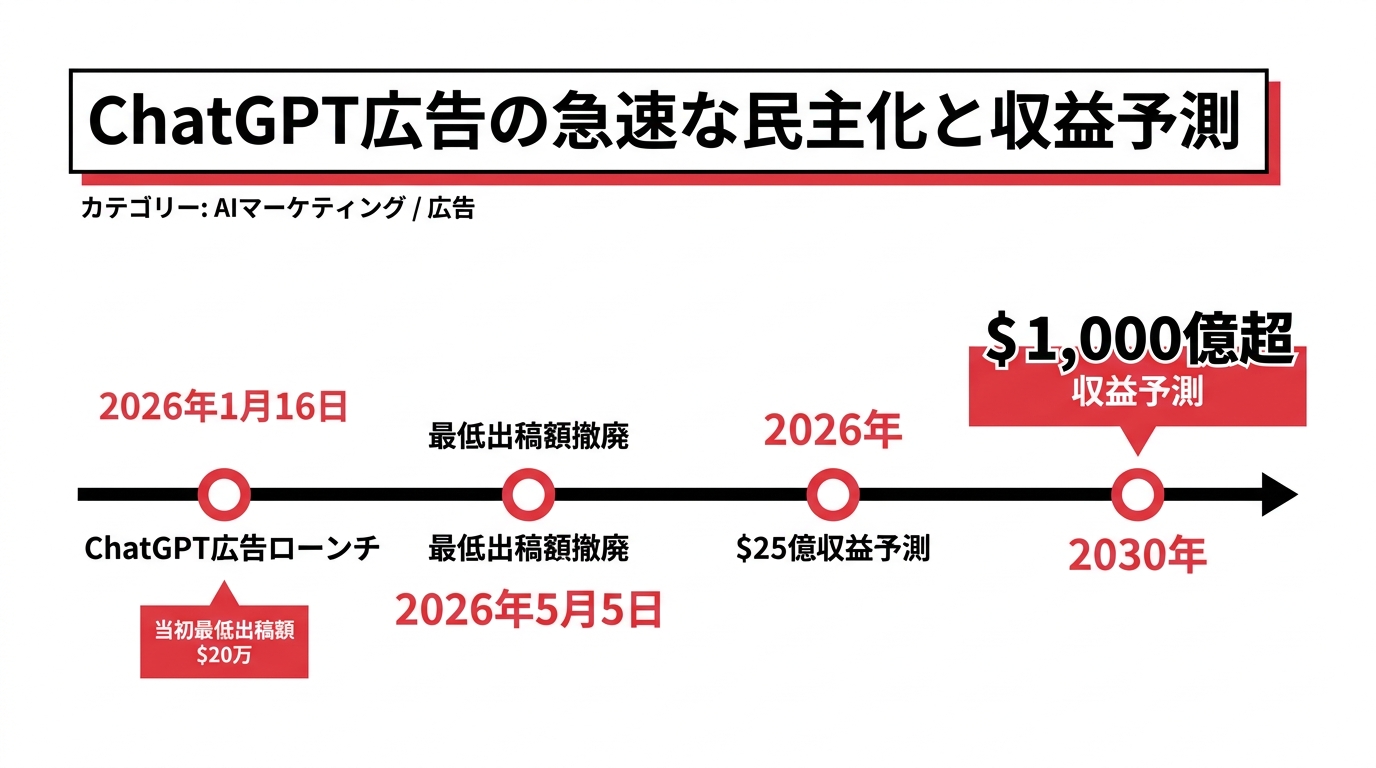
The exact pace remains uncertain. Product access, pricing, and revenue forecasts change quickly, and many figures in this market come from company projections rather than audited results. The direction, however, is visible: the commercial surface is moving closer to the answer and farther from the source page.
Search referral risk is already measurable
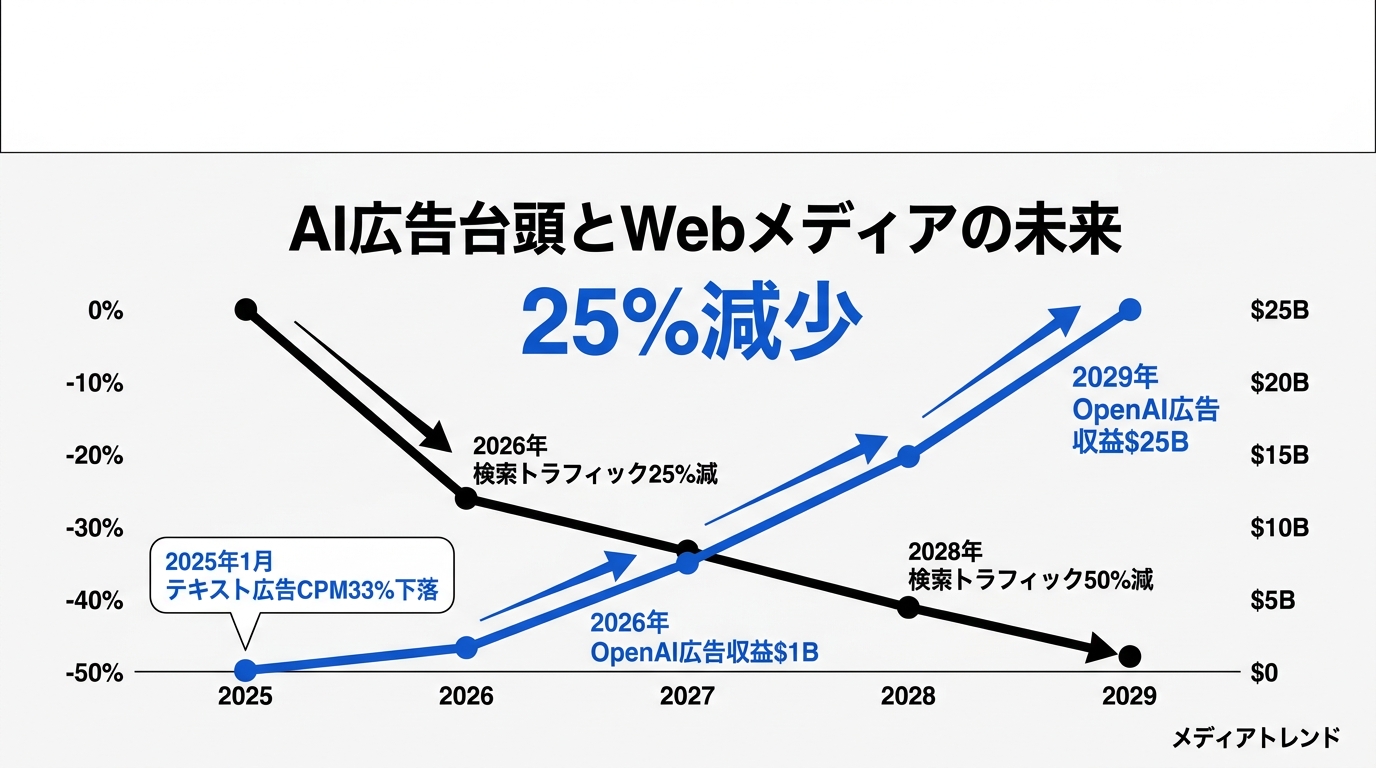
In February 2024, Gartner predicted that traditional search engine volume would decline 25% by 2026 because of AI chatbots and virtual agents (Gartner). A forecast is not an observed result, and the effect will not be uniform across queries or publishers.
Simple factual questions are the most exposed. Weather, definitions, exchange rates, and basic comparisons can end on the results page. More complex product research and service selection are also moving into conversational interfaces, although users still open source pages when trust, detail, or a transaction requires it.
For an ad-funded publisher, fewer visits mean fewer available impressions. Lower demand against the remaining inventory can then put pressure on yield. During my time operating publisher monetization, that chain was straightforward: traffic, eligible impressions, demand, and price are connected. A change at the first step reaches the revenue report.
Advertising budgets move rather than multiply
Advertisers do not create a separate unlimited budget each time a platform launches a new format. They reallocate. This has been one of the most consistent patterns I have seen since the early programmatic market.
AI platforms can offer something attractive: an ad next to an explicit question, with rich conversational context. That can command a premium, but it also raises questions about disclosure, answer independence, and user trust.
Perplexity has taken a publisher-sharing approach through programs that return a portion of revenue to participating media companies. This is better aligned than a system that offers no compensation, but it does not solve the problem for every publisher. Participation rules, geography, attribution, and bargaining power determine who receives payment.
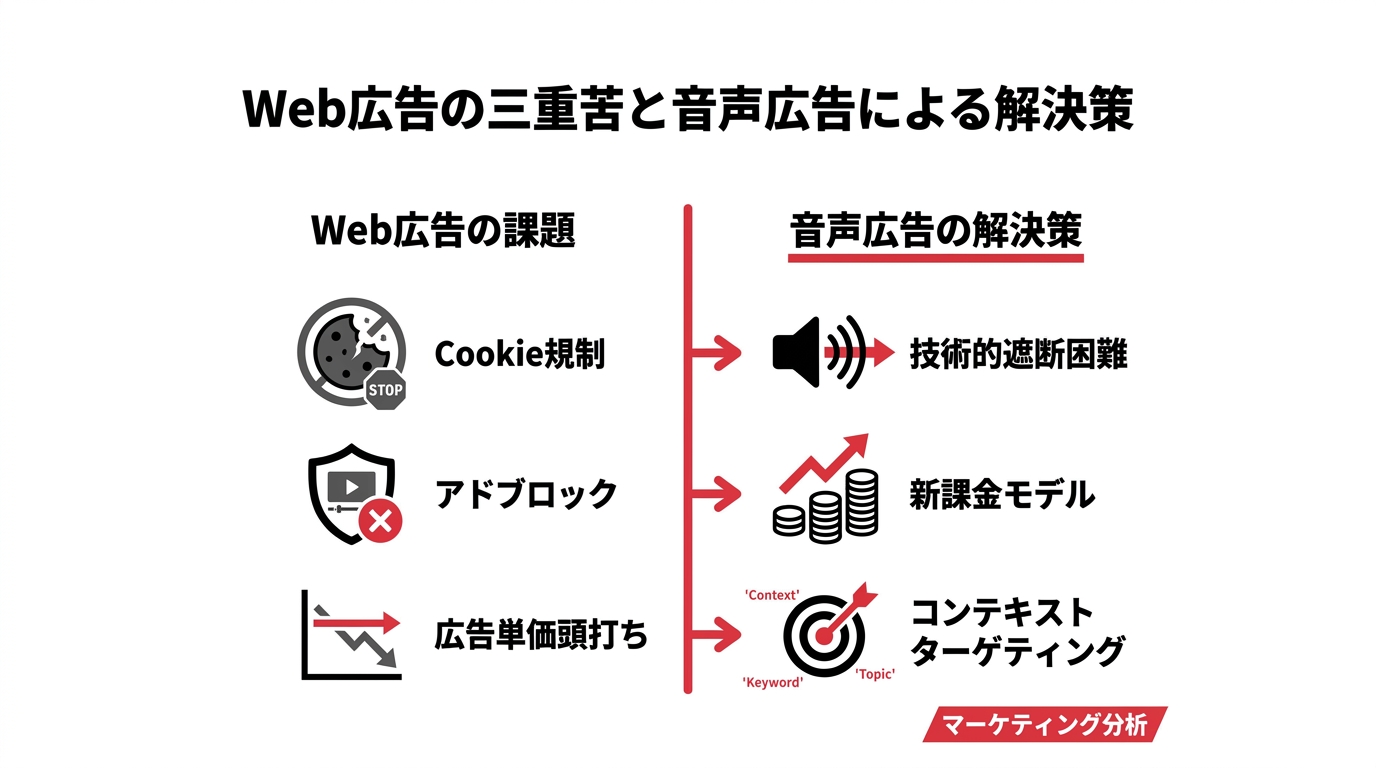
<figure> <img src="https://images.media-leap.com/blog/2026/07/1784683014574-5d5gai9k.png" alt="Flow of advertising revenue in publisher pages and AI answer interfaces" /> <figcaption>On a publisher page, the source controls the ad surface. In an AI interface, the platform controls both the answer and the commercial placement.</figcaption> </figure>The growing audio market provides a useful comparison. In the United States, podcast and digital audio inventory developed its own buying infrastructure instead of relying only on page views. The audio advertising revenue analysis covers where that model works and where international publishers should be cautious.
AI can summarize facts more easily than experience
Specifications, definitions, and procedural steps are highly compressible. Original reporting, firsthand experience, proprietary data, and a recognizable editorial voice are harder to replace without losing value.
I saw a related effect while building a voice-chat application. Several users wrote that they occasionally forgot they were speaking with an AI. The product still had technical limits, but the feedback showed that listening created a different relationship from reading the same words on a screen.
Audio is not immune to AI extraction. A transcript can be indexed and summarized, and speech recognition keeps improving. What remains different is the experience: pacing, tone, hesitation, and the act of listening over time. A summary can carry facts without carrying that relationship.
This is why text-to-speech should be treated as a distribution format rather than a shield against indexing. The wider change is examined in how TTS is changing web publishing.
Publishers need to protect direct contact
The most defensible asset is a relationship that does not begin with a generic search result. Direct visits, newsletters, memberships, apps, events, and on-site listening all reduce dependence on a single discovery platform.
The second defense is source material worth visiting. Interviews, field reporting, original measurements, and operational detail give readers a reason to open the publication rather than accept a compressed answer.
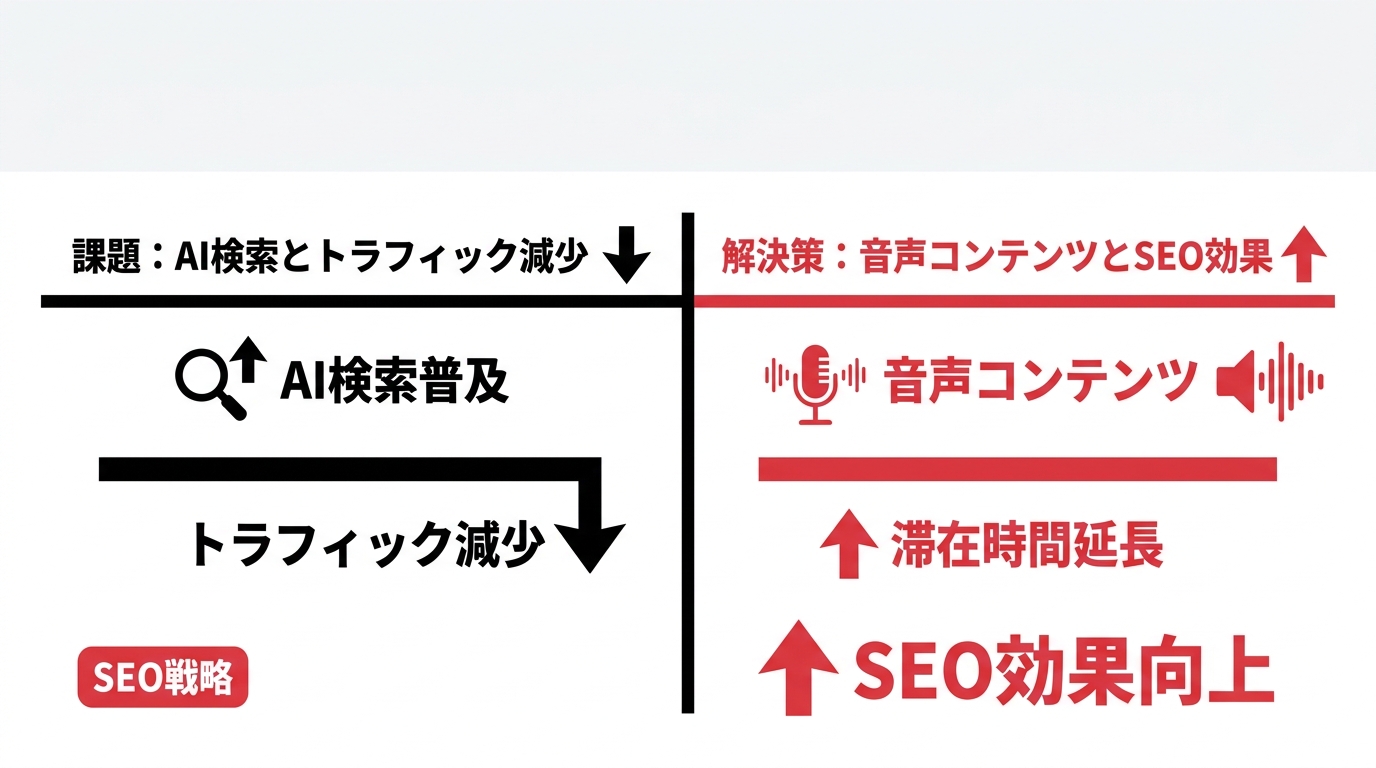
Audio can support both goals when it lives on the publisher's site. Across more than 30 MediaLeap client properties observed in GA4 from 2024 to 2026, audio-playing sessions showed roughly 1.5 to 2.5 times the average engagement time of non-playing sessions on comparable article sets. This does not establish causation: people who press play may already have stronger intent. Measurement conditions and limitations are set out in the audio engagement study.
Audio is also a poor fit for photo essays, charts that require close visual inspection, and short breaking updates. A publisher with weak editorial differentiation will not fix the underlying issue by adding narration.
Diversification is a portfolio decision
No one knows whether the most aggressive AI advertising forecasts will be reached on schedule. Search referrals may remain strong in high-trust or transactional categories. Regulatory and user-trust constraints could slow adoption.
That uncertainty is a reason to test several direct channels, not to wait. I am building PUBVOICE to make on-site listening easier to test, but audio should compete for resources against email, community, product improvements, and better reporting. A small publisher does not need five half-maintained channels.
The practical response is to measure dependency first: share of traffic from generic search, revenue per channel, return frequency, and direct audience identifiers. Then run one controlled experiment. The future of AI advertising is uncertain; a publisher's exposure to it can already be calculated.
PUBVOICE - Deliver your articles as audio
We built PUBVOICE so media operators can add a listening experience without extra workload. Register an RSS feed and every new article gets audio automatically.
Every time we hear editors worry that readers never finish their articles, we keep coming back to the same answer: audio reaches the moments text cannot - commutes, chores, workouts. PUBVOICE was born from that conviction.

Yutaro Sasao
We take each person's "I want to" and "I want to be able to" seriously, and use technology to make it happen. That is our mission.
Opening up new possibilities with digital technology. Drawing on roughly ten years in the advertising and media industries, Yutaro builds app development for web media companies with AI-driven efficiency.
Talk to us about your next project
Contact us about app development or other digital initiatives. We will review your requirements and recommend an approach suited to your business.
Related posts
Contact
Contact us to discuss app development for your media business. We will recommend an approach based on your requirements and commercial goals.
Contact Form
Send us your inquiry using the form below. We aim to respond within 24 hours.
Contact by Email
info@media-leap.com
We aim to respond within 24 hours
Business Hours
Weekdays: 9:00–18:00 JST
Weekends and public holidays: Closed