How Publishers Use Audio to Strengthen Retention
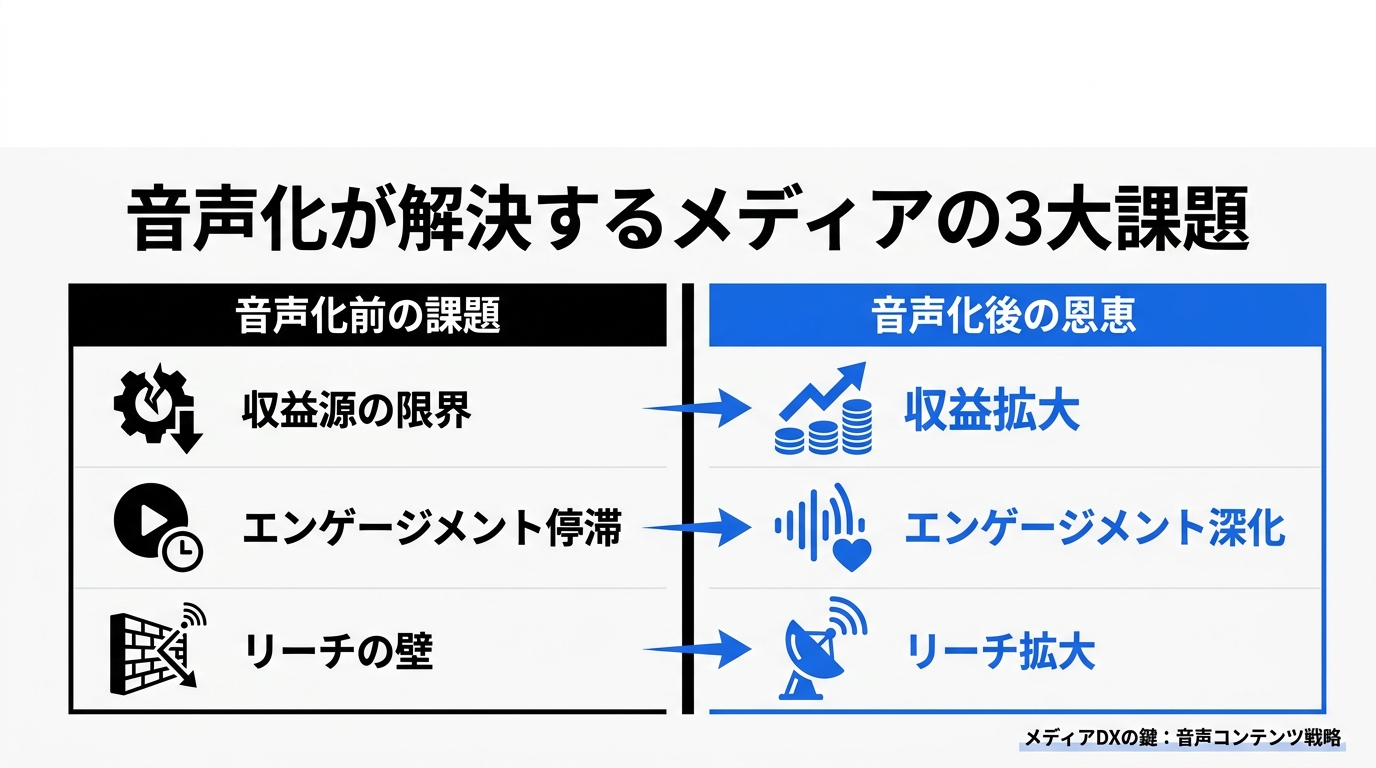
The Economist, Financial Times, and The New York Times use audio to create recurring reader habits. Their approaches suggest three tests for other publishers.
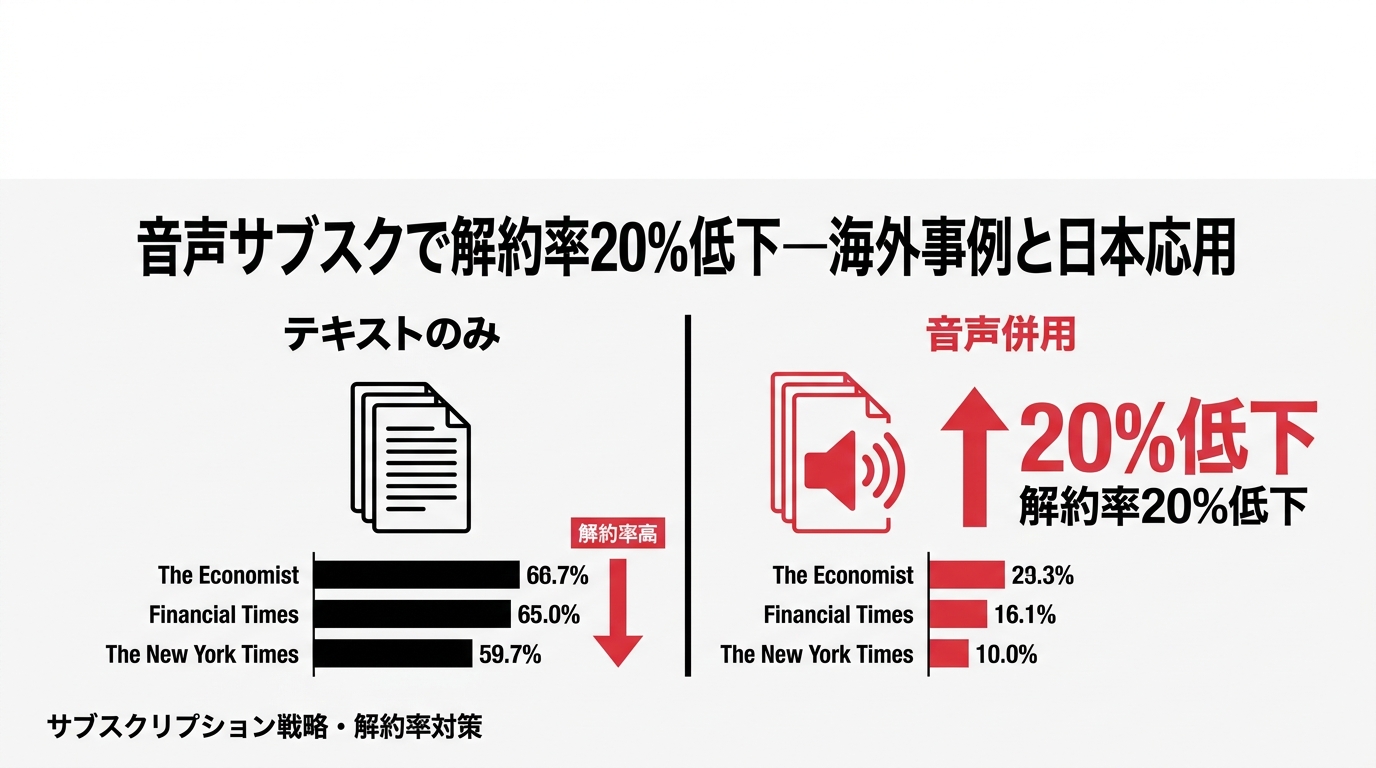
“A subscription is too heavy for our publication.” That concern is reasonable when membership is imagined as a new payment system, account layer, and continuous stream of exclusive reporting launched at once.
Audio offers a smaller test. The Economist, Financial Times, and The New York Times use it not merely as narration, but as a recurring point of contact in a subscriber’s day.
I have analyzed retention in advertising products and publishing. A feature often gets attention at launch and returns to baseline within weeks. For subscriber audio, the important signal is not the first play. It is whether the same cohort listens again the following week.
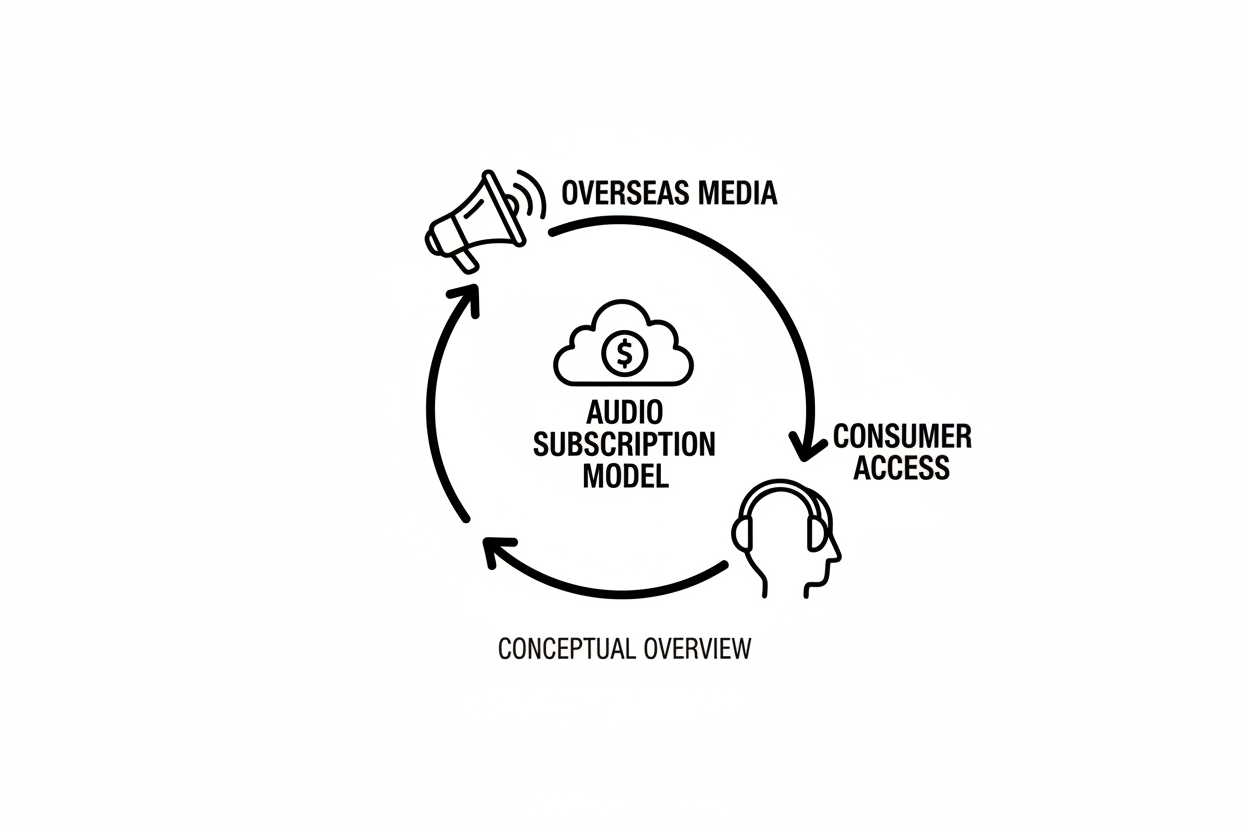
Audio can occupy time when reading cannot
An audio subscription includes narrated articles, exclusive shows, or archives within a paid membership. It gives the publisher access to commuting, exercise, and household time without asking the subscriber to find another quiet reading session.
That does not mean audio automatically reduces churn. Frequency, length, notifications, player quality, and editorial relevance must combine into a habit. A valid analysis compares listeners and non-listeners from similar signup cohorts rather than looking only at average churn.
Retention dashboards can also be distorted by a small group of heavy users. Separate the number of listeners from plays per listener, and track week-one, week-two, and week-four return.
Three publishers occupy different listening moments
The Economist has long made narrated editorial content part of its subscription experience. The model serves readers who want to finish substantial analysis while moving through their day.
Financial Times uses the short, weekday FT News Briefing to create frequent contact. A listener can maintain a relationship with the publication without opening every article.
The New York Times offers a portfolio of news and culture audio rather than treating speech as one isolated feature. Breadth gives subscribers several reasons to return.
These examples are not interchangeable. A specialist journal publishing twice a month cannot copy the cadence of a daily newsroom. The useful lesson is to choose a repeatable listening moment that fits existing editorial production.
Publishers can test three forms
Narrating an established column reduces the need for additional reporting. A three-to-five-minute daily or weekly briefing creates frequency. Audio-only commentary or interviews create a reason to pay beyond convenience.
Run one form in public before moving it behind a paywall. Measure repeat listening, not just starts. Then compare membership with the other audio revenue models, including direct audio advertising.
In building audio software, I have seen placement and the connection between player and article affect usage as much as voice quality. The path to playback is part of the product.
Pricing and conversion are hypotheses
A $3–$5 add-on and a 5–10% conversion rate can be useful planning assumptions, but they are not universal benchmarks. If a publication has 10,000 existing members and 5% take a $3 add-on, gross monthly revenue is $1,500. Payment fees, production cost, support, and incremental churn remain.
Bundling audio into an existing tier is another option. It may not raise average revenue per user immediately, but it can test whether listeners retain better. Price tests and cohort analysis should decide between the two approaches.
Low cadence and visual reporting are poor fits
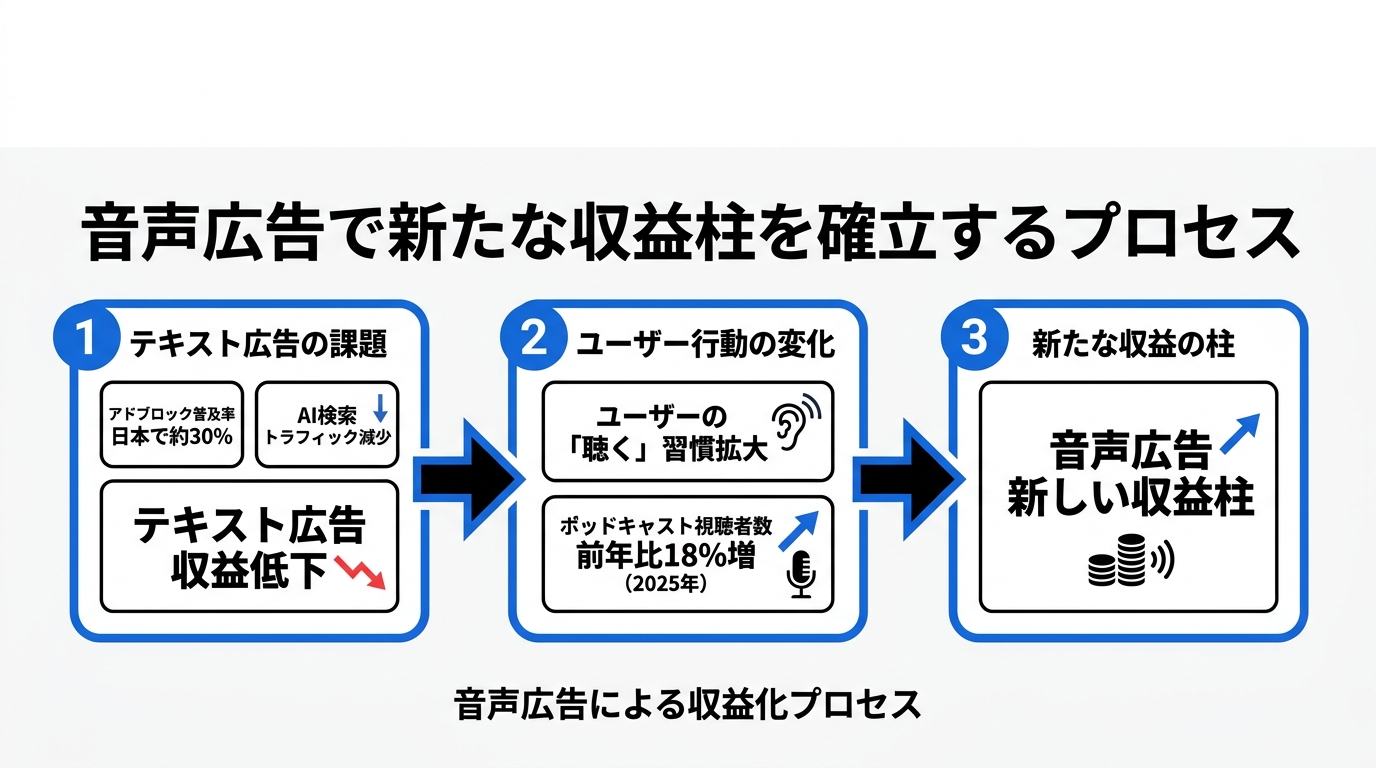
A publication that releases only a few pieces each month may struggle to maintain recurring value. Charts, formulas, photography, and interactive work also lose information in audio. Outsourced production makes the early unit economics harder when the audience is small.
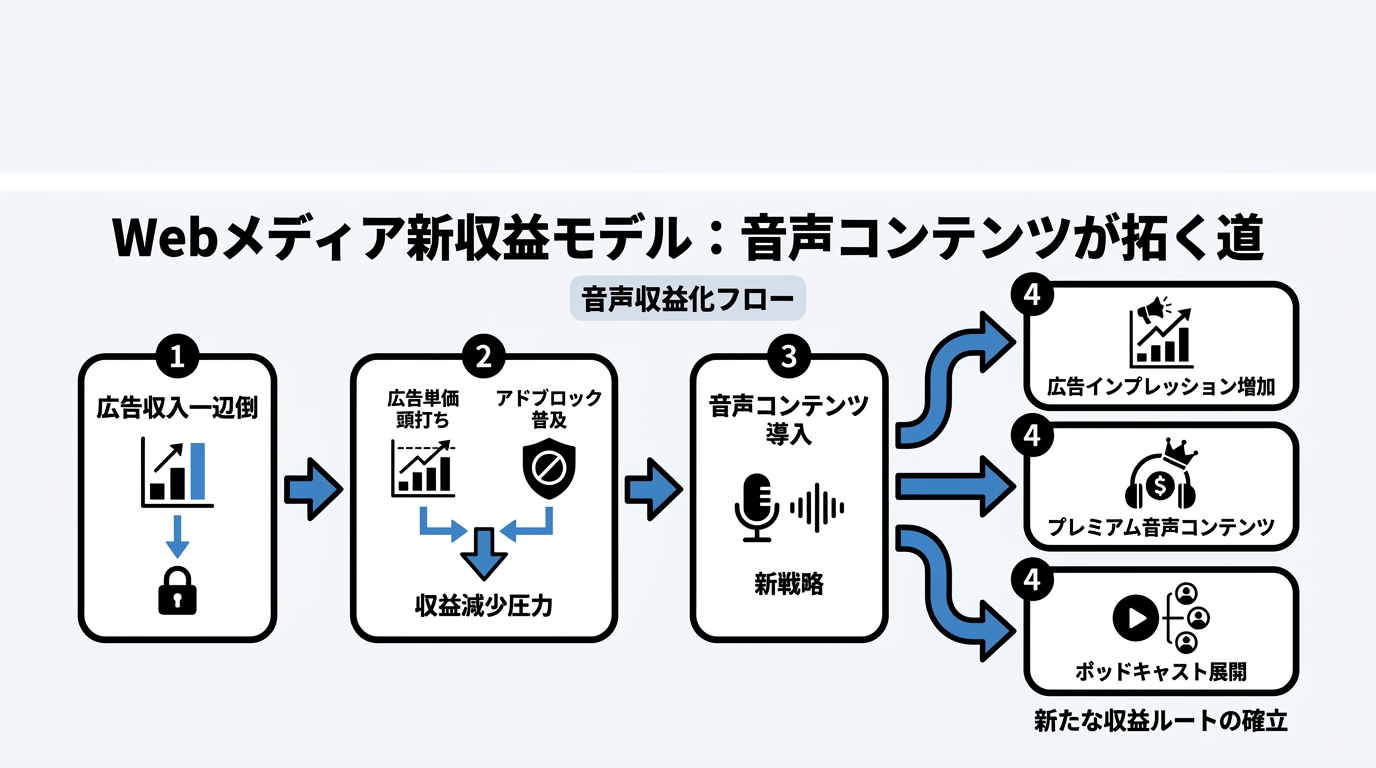
Some publishers are better positioned to sell sponsorship than membership. Programmatic audio technology may become relevant at scale, while the ad-blocking limitations of audio prevent overclaiming the format.
The retention signal appears in the next week
Narrate ten popular articles and follow listening cohorts for four weeks. If week-two use persists, test one exclusive item or add audio to an existing membership tier. Set price and conversion assumptions after that evidence appears.
MediaLeap Inc. builds PUBVOICE so publishers can produce this test without adding a separate narration workflow. We cannot infer retention improvement from implementation alone. A subscription habit is visible when the same listener returns on another morning.
PUBVOICE - Deliver your articles as audio
We built PUBVOICE so media operators can add a listening experience without extra workload. Register an RSS feed and every new article gets audio automatically.
Every time we hear editors worry that readers never finish their articles, we keep coming back to the same answer: audio reaches the moments text cannot - commutes, chores, workouts. PUBVOICE was born from that conviction.

Yutaro Sasao
We take each person's "I want to" and "I want to be able to" seriously, and use technology to make it happen. That is our mission.
Opening up new possibilities with digital technology. Drawing on roughly ten years in the advertising and media industries, Yutaro builds app development for web media companies with AI-driven efficiency.
Talk to us about your next project
Contact us about app development or other digital initiatives. We will review your requirements and recommend an approach suited to your business.
Related posts

Contact
Contact us to discuss app development for your media business. We will recommend an approach based on your requirements and commercial goals.
Contact Form
Send us your inquiry using the form below. We aim to respond within 24 hours.
Contact by Email
info@media-leap.com
We aim to respond within 24 hours
Business Hours
Weekdays: 9:00–18:00 JST
Weekends and public holidays: Closed