Three Lessons Publishers Can Take From Audio Apps
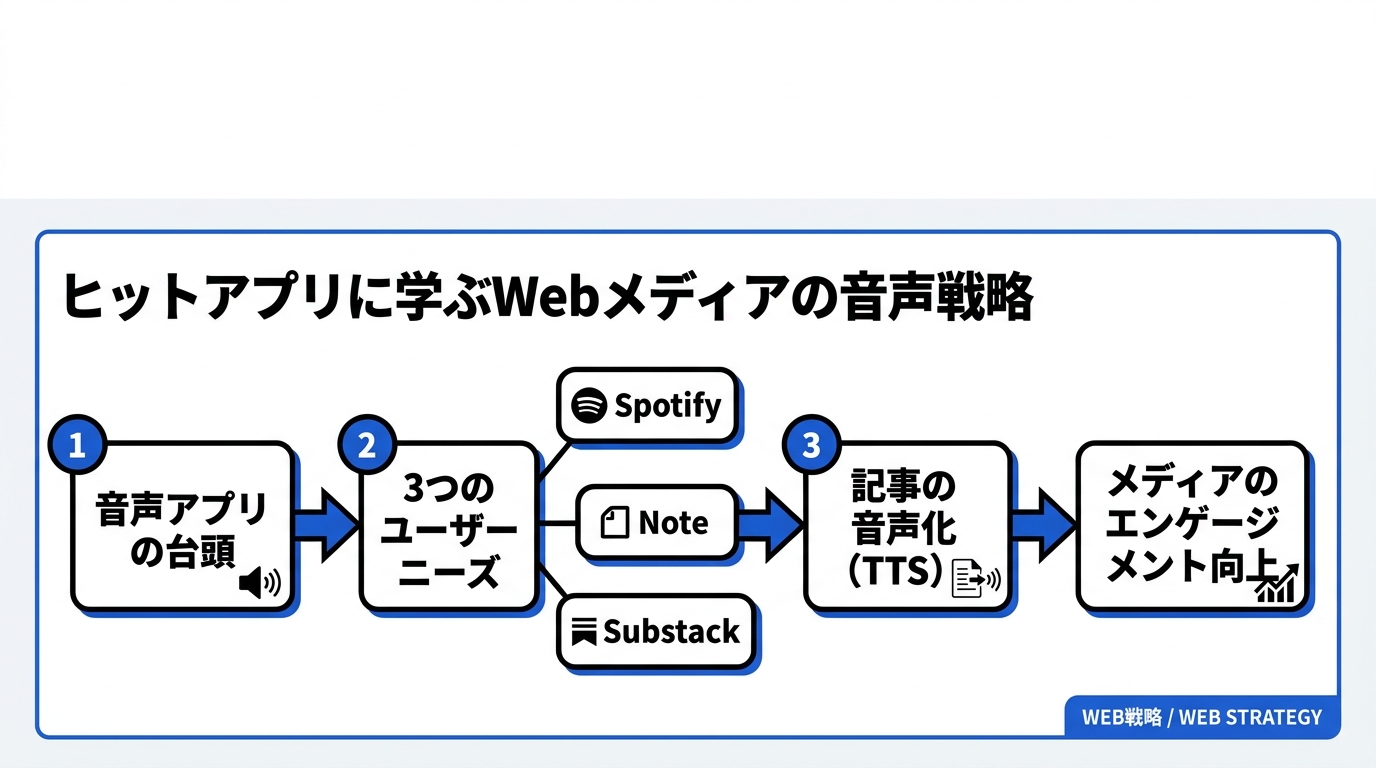
Spotify, AI assistants, and voice-note apps show that audio works when it fits an existing routine, sounds credible, and starts with little effort.
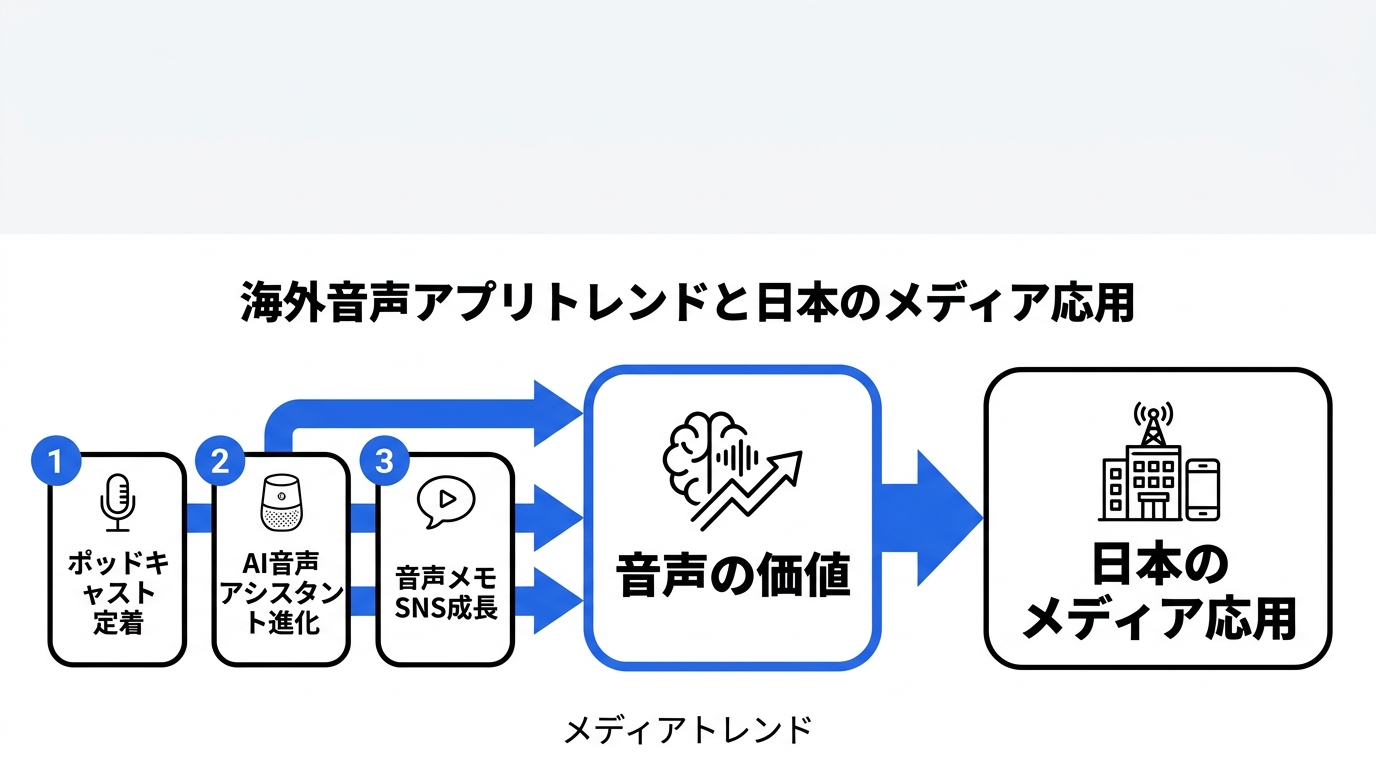
Copying a successful audio app does not give a publisher a successful audio product. Listening habits, language, and payment behavior vary by market. The more useful question is what long-lived products make easy for the listener.
I have tested audio products since the 2010s and now build voice software myself. Hands-on use exposes details a feature list misses. One extra screen before playback can end a session. A tool that captures an idea during a walk can become part of a routine.
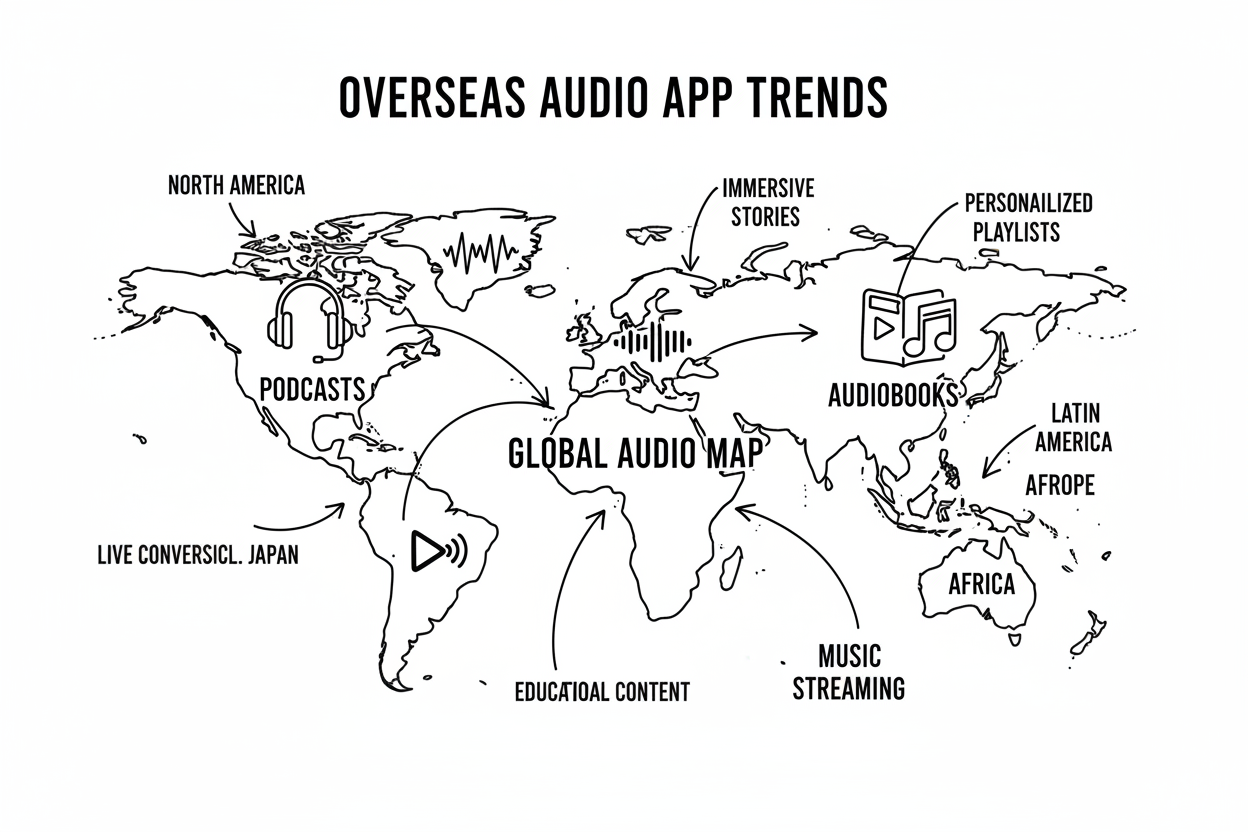
Podcasts occupied time that already existed
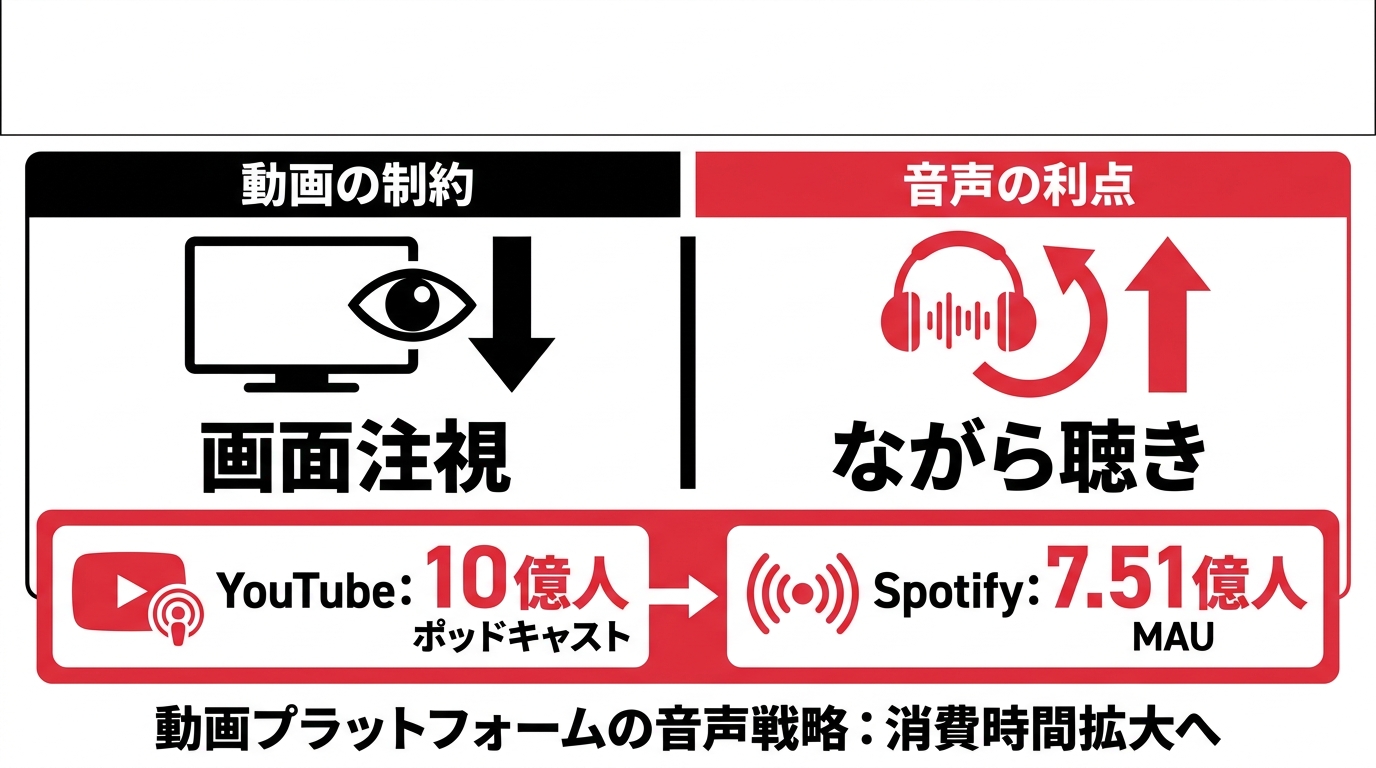
In the United States, 55% of people aged 12 and older listen to a podcast at least monthly, according to Edison Research's Infinite Dial 2025. Podcasts did not require people to create another hour in the day. They entered commutes, workouts, walks, and household tasks.
Spotify supports this habit with podcasts, audiobooks, saved progress, and recommendations. A publisher does not need Spotify's recommendation infrastructure. One relevant audio story at the end of playback can be enough to prevent a dead end.
This pattern also appears in lessons from a decade of audio: products last when they fit a routine rather than demand a new one.
AI assistants raised the quality floor
ChatGPT voice features, Gemini Live, and ElevenLabs have made spoken interaction with software familiar. They have also made listeners less tolerant of flat delivery, awkward pauses, and mispronounced names.
While building a voice chat app, I found that feedback concentrated on pronunciation, response length, and the delay before speech began. Voice quality was not only a model choice. It depended on the script and playback behavior too. What makes AI voice apps work looks at those details more closely.
Publishers should therefore test a complete story, not a polished ten-second sample. Tables, parenthetical phrases, and long sentences often need to be rewritten for the ear.
Voice-note tools show the value of a short path
AudioPen and Voicenotes remain active products in 2026. Both reduce the distance between speaking and receiving an organized text record. Discord voice channels serve a different purpose, but they also make voice immediately available inside an existing community.
The publishing lesson is simple: playback should not require an account, another app, or a settings tour. Put the player near the headline, state the duration, and make the primary control obvious. A hidden player is one of the five common publisher audio mistakes.
Borrow the behavior, not the interface
Three behaviors are worth carrying into publishing:
- Match the length and subject to a real listening situation.
- Rewrite visual prose into a script that works without the page.
- Minimize the steps between interest and sound.
Not every article qualifies. Breaking news may be faster to scan. Charts, code, and heavily illustrated stories often lose meaning without the screen. Frequently updated pages can also create an expensive regeneration workflow.
PUBVOICE is MediaLeap Inc.'s attempt to adapt these lessons for Japanese publishers, including script preparation and an embedded player. A custom stack may still be the better choice for a large newsroom with unusual requirements and dedicated engineering support.
International products are useful references, not ready-made answers. The real test is whether a publisher's own readers press play, keep listening, and return.
PUBVOICE - Deliver your articles as audio
We built PUBVOICE so media operators can add a listening experience without extra workload. Register an RSS feed and every new article gets audio automatically.
Every time we hear editors worry that readers never finish their articles, we keep coming back to the same answer: audio reaches the moments text cannot - commutes, chores, workouts. PUBVOICE was born from that conviction.

Yutaro Sasao
We take each person's "I want to" and "I want to be able to" seriously, and use technology to make it happen. That is our mission.
Opening up new possibilities with digital technology. Drawing on roughly ten years in the advertising and media industries, Yutaro builds app development for web media companies with AI-driven efficiency.
Talk to us about your next project
Contact us about app development or other digital initiatives. We will review your requirements and recommend an approach suited to your business.
Related posts

Contact
Contact us to discuss app development for your media business. We will recommend an approach based on your requirements and commercial goals.
Contact Form
Send us your inquiry using the form below. We aim to respond within 24 hours.
Contact by Email
info@media-leap.com
We aim to respond within 24 hours
Business Hours
Weekdays: 9:00–18:00 JST
Weekends and public holidays: Closed