How to Increase Ad Value Without Adding More Ad Slots
A former publisher and ad-tech operator examines viewability, time in view, audio listening, and the limits of connecting engagement to ad value.
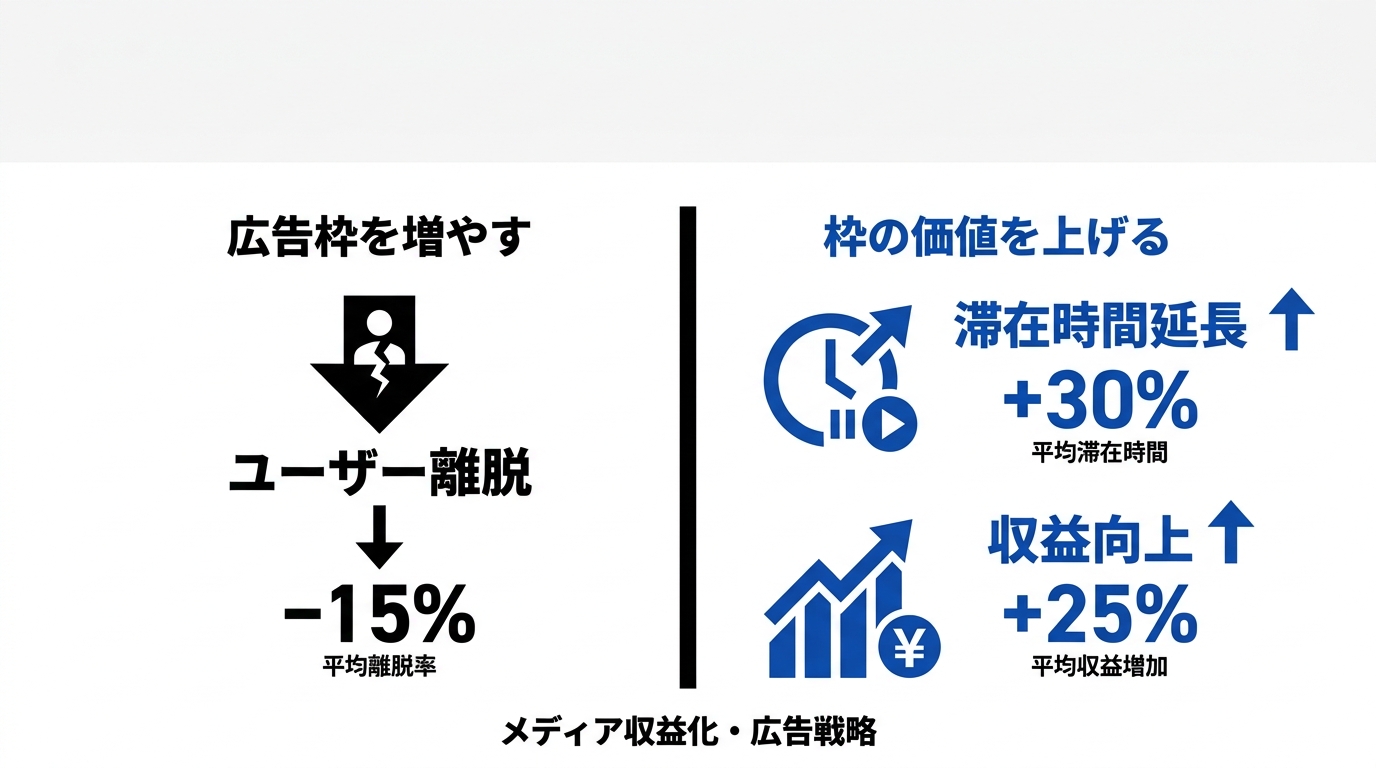
Adding a sellable ad slot is one of the fastest ways to increase short-term publisher revenue. Repeating that move makes the page harder to use. A different approach is to improve how existing inventory is measured and explained—without pretending that every longer session represents ad attention.
I spent close to a decade across SSPs, ad networks, and a major Japanese publishing site. I modeled the revenue from adding placements and tested Header Bidding changes myself. The cleanest revenue forecasts were often the easiest to approve, even when their accumulation made the page increasingly crowded.
Why we did not begin with an ad-funded model
An article audio product can insert pre-roll or mid-roll ads and subsidize publisher access. MediaLeap chose to begin with publisher-paid plans instead. Returning immediately to the business of adding ad interruptions would have weakened the reason for building an audio product.
Charging publishers is not proof of integrity. A paid product still has to show an agreed outcome, such as reduced production work, meaningful listening, or repeat use. As our essay on SaaS moving from features to outcomes argues, the result matters more than the billing model.
More slots and better inventory are different strategies
Adding a slot creates another opportunity to serve an impression. Improving inventory quality means measuring whether an existing placement had a genuine chance to be seen, for how long, and in what context.
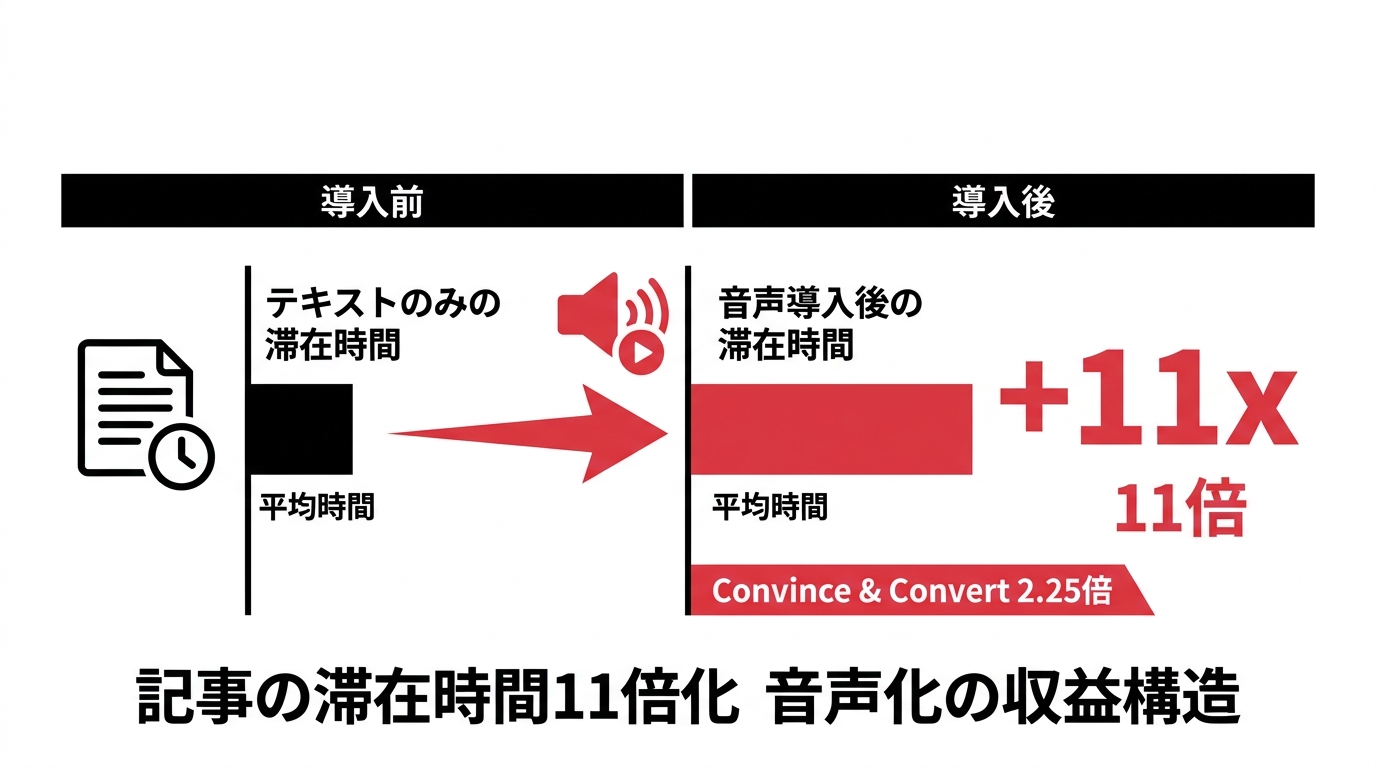
Longer sessions do not automatically improve ad value. If a reader starts audio and puts the phone in a pocket, that listening time is not attention to the display ad. Our article audio services comparison distinguishes active-page listening from background use for this reason.
Engaged time and ad price are separated by measurement
Even if audio sessions last longer, the result does not prove a higher CPM. The publication, story, date range, traffic source, and comparison group all matter. The conditions should be documented using a process such as our audio impact measurement guide.
Three issues stand between time spent and ad value.
Viewability is a threshold
Viewability describes whether an ad had an opportunity to be seen. Under Media Rating Council guidance, a display impression generally qualifies when at least 50% of its pixels are in view for at least one continuous second.
This is a threshold, not a multiplier. Ten seconds in view does not create ten viewable impressions. Longer active sessions may increase the chance that a reader reaches lower-page inventory or increase time in view, but neither outcome guarantees a higher price.
Refresh also needs strict controls. It should run only when the page is active and the slot is visible. Time-in-view may help a sales team describe attention-oriented inventory, but measurement and buyer demand must both exist.
CTR should remain a separate claim
There is no sound basis for assuming that audio listeners click display ads more often. Deeper focus on the story could reduce clicks. Viewability, verified listening, and clicks are different behaviors and should remain separate metrics.
Background listening cannot become display attention
An implementation should distinguish at least four conditions:
- playback while the page is active versus backgrounded
- reading-and-listening sessions versus audio-only sessions
- audio ad impressions versus display impressions
- a verified audio ad play versus an audio file request
I have implemented and debugged ad tags, so I know that an event firing is not the same as a person seeing or hearing something. PUBVOICE is exploring these distinctions, but some remain design work rather than released functionality.
This is still a hypothesis to test
Audio ads and time-in-view-based inventory packages will not fit every publisher. A small site without a direct sales operation may spend more on measurement than it gains in revenue.
Advertising remains essential to many publishers, but a business heavily exposed to platform policy, algorithms, and economic cycles carries variables it cannot control. Measuring the quality of existing inventory more honestly may be one response. Whether that response produces a durable business is still an open test.
By Yutaro Sasao, CEO of MediaLeap Inc.
PUBVOICE - Deliver your articles as audio
We built PUBVOICE so media operators can add a listening experience without extra workload. Register an RSS feed and every new article gets audio automatically.
Every time we hear editors worry that readers never finish their articles, we keep coming back to the same answer: audio reaches the moments text cannot - commutes, chores, workouts. PUBVOICE was born from that conviction.

Yutaro Sasao
We take each person's "I want to" and "I want to be able to" seriously, and use technology to make it happen. That is our mission.
Opening up new possibilities with digital technology. Drawing on roughly ten years in the advertising and media industries, Yutaro builds app development for web media companies with AI-driven efficiency.
Talk to us about your next project
Contact us about app development or other digital initiatives. We will review your requirements and recommend an approach suited to your business.
Related posts
Contact
Contact us to discuss app development for your media business. We will recommend an approach based on your requirements and commercial goals.
Contact Form
Send us your inquiry using the form below. We aim to respond within 24 hours.
Contact by Email
info@media-leap.com
We aim to respond within 24 hours
Business Hours
Weekdays: 9:00–18:00 JST
Weekends and public holidays: Closed